
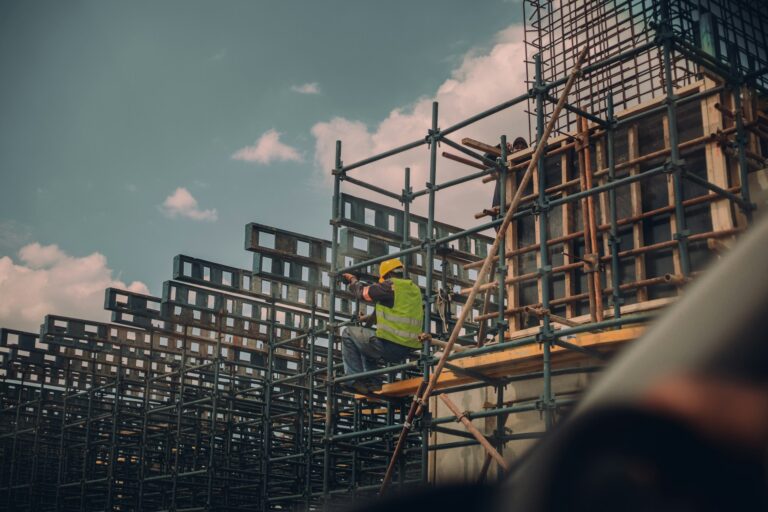
Construction sites are a common sight in any growing city, a clear sign of development. From new homes to refurbished offices, this activity shapes our urban environment. While these projects are essential, they also bring potential risks that reach beyond the site’s boundaries. The job of making these areas safe isn’t just for the workers in hard hats; it’s a shared responsibility involving construction companies, site managers, and even the general public. Ensuring everyone understands the potential dangers and proper protocols, especially concerning scaffold safety, is crucial for preventing accidents and fostering a secure environment for all.
Understanding and respecting the safety measures put in place is crucial for our communities to grow safely and efficiently for everyone.
Understanding Site Hazards
A construction site is a busy and complex place, full of potential dangers. For workers, these include risks from working at height, moving machinery, and handling heavy materials. But many of these dangers can also affect the public. Dust and noise can impact nearby homes and businesses, while site traffic can increase congestion and the risk of accidents on local roads.
Perhaps the most direct risk to the public comes from falling objects. A dropped tool or a piece of unsecured material could cause serious injury if it leaves the site. That’s why you often see extensive protective measures, like covered walkways and high fences, around well-managed projects. These structures aren’t just for show; they’re a critical line of defence for anyone passing by.
Protecting the Public
Securing a construction site’s edge is one of the most important parts of public safety. This means more than just putting up a fence. It involves creating a secure boundary that stops unauthorised access and protects pedestrians and vehicles from what’s happening on site. Clear, visible signs are vital, guiding people safely around the work area and warning them of potential dangers like overhead work or vehicle entrances.
Properly built scaffolding with debris netting is another key element, creating a protective shield for pedestrians walking below. These measures are the principal contractor’s responsibility. They must assess the risks and put in place the right controls to keep the public safe. When these systems are in place and respected, the work can continue with minimal disruption or danger to the community.
The Foundation of Safe Work
While physical barriers protect the public from the outside, a real safety culture grows from within the site itself. This foundation relies on thorough training, clear communication, and a commitment from everyone on the job. A safe site is one where workers not only get the right Personal Protective Equipment (PPE) but also know how and when to use it.
This proactive approach includes regular safety briefings, clear rules for dangerous tasks, and an environment where workers feel they can stop a job if they think it’s unsafe. Following essential safety practices isn’t just about checking boxes; it’s about building a mindset that puts the well-being of colleagues and the public first. This internal commitment is the most effective safety feature any construction project can have.
Reporting Concerns Effectively
As a member of the public, you also have a part to play. If you notice something around a construction site that concerns you, like a damaged fence, materials stored unsafely near a public path, or too much dust, it’s important to report it. An unaddressed hazard could lead to an accident, and your observation might be what prevents it.
Your first contact should be the site manager. Reputable construction companies usually display their contact information clearly on the site fences. When you report a concern, be as specific as possible: describe what you saw, where it was, and the time you saw it. If you don’t get a satisfactory response, or if the issue is urgent and poses an immediate threat, you can contact the Health and Safety Executive (HSE).
A Safer Community Together
Ultimately, construction safety is a team effort. Companies have a legal and moral duty to plan and carry out their work safely. Workers are responsible for following procedures and looking out for their colleagues. And the public can help by being observant, respecting barriers and signs, and reporting genuine concerns.
This shared responsibility ensures that development and daily life can happen together without problems. When everyone understands their role, it reinforces the idea that safety is everyone’s job and helps build a community where progress doesn’t come at the cost of people’s well-being.
By staying aware and working together, we can make sure our neighbourhoods remain safe places to live and work, even as they grow and change.