
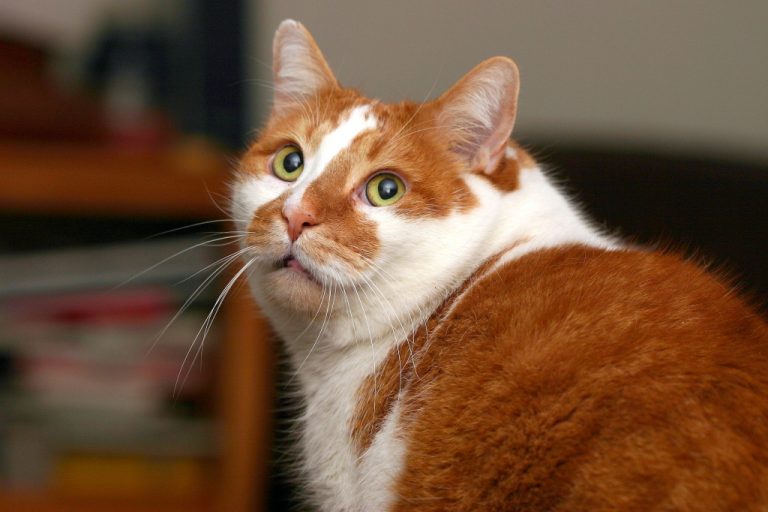
Pet obesity is a major and increasing concern to vets nationally.
Pets are being fed too much of the wrong type of food, and not being exercised enough. As well as a general loss of quality of life, obese animals can suffer similar health troubles as overweight humans such as crippling arthritis, diabetes, heart disease and many forms of cancer. Having an obese pet seriously limits their life expectancy.
How can you slim down your overweight pet to keep them healthy and reduce their risk of serious disease? Your first step is to attend Liverpool’s free pet weight clinic at thevet.co.uk.
Here are 5 further ways to help your pet lose weight.
1. Count Calories
Just like when you join a dieting club, you need to count your pet’s calories. Before you start counting the calories, you need to calculate the calories that they need to have. Do not think that the recommended amount on their food packaging is necessarily appropriate. For example, daily guidelines on adult dog food are formulated for unneutered active dogs – this is possibly between 20% to 30% too much for your hound if it is not getting enough exercise. Ask your vet to calculate the correct daily calorie intake your pet should be getting.
2. Measure Meals
Once you know from the vet how many calories your pet should be having per day, make sure that you exactly that is in relation to the amount you feed. Did you know that just 10 extra kibble pieces a day for a small dog or an indoor cat can make them gain a pound a year? That’s quite shocking, isn’t it? Know how much you need to feed your pet.
3. Stop feeding human food
Animals are not designed to eat pizza, chips or crisps, and should not be fed any human food. Pets struggle to burn off these high fat calories, and often people feed their pets the wrong foods that aren’t only high in fat, but can be toxic.
4. Treats
Sometimes your pet needs to have a treat as part of their training regime; however, be selective about the types of treats you are feeding your pet. Read the ingredients – many times the ingredients are a list of chemicals laden with sugars. Whatever treats you give your pet, make sure that you deduct the calories from their daily allowance, or you risk undoing all of the good work you have done so far.
5. Exercise
For both you and your pet, exercise coupled with a healthy diet is the key to living a long, pain and disease free healthy life. A 20 minute to half an hour brisk walk twice a day is all that is needed for many dogs – watch their health and any behavioural problems significantly reduce once you start increasing their exercise. For overweight cats, play with them using a ball of paper or an empty toilet roll on a piece of string to make them move.
You should always seek advice from your vet before making drastic changes to your pet’s lifestyle. The most important thing to remember is that you are responsible for providing your animal everything they need to be healthy and happy. What may seem like a lot of effort to begin with, by following the steps above you will be keeping your pet happier and alive for longer.