
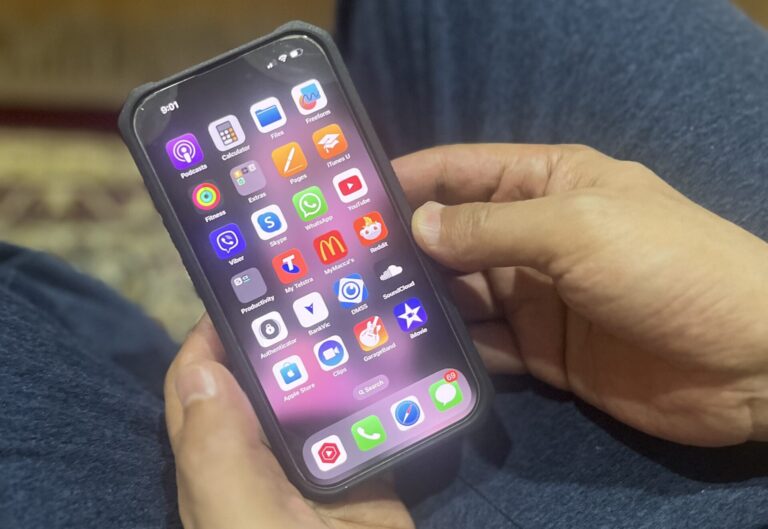
Most Liverpudlians think of their mobile phone bill as a single monthly charge for the airtime and data they use. The reality is that a growing share of that monthly total is actually everyday purchases quietly routed through the mobile carrier rather than a bank card.
This piece walks through where direct carrier billing shows up for ordinary Liverpool consumers, from the parking app charges to the streaming trial fees. The method sits inside a wider UK digital payment landscape that most people never think about but use regularly.
What Direct Carrier Billing Is, and Why It Hides in Plain Sight
Direct carrier billing is a payment method that charges small transactions to the user’s monthly mobile phone bill or deducts them from pay-as-you-go credit. The merchant never sees a card number, the user never enters bank details, and the mobile network sits in the middle as the payment intermediary.
The reason the method hides in plain sight is that most consumer-facing services label the payment as something else. The charge shows up as a line on the next phone bill rather than as a card transaction. The user remembers hitting a confirm button on their phone, but the actual payment mechanism never gets a name.
The method has a defined footprint in the UK consumer landscape. Small transactions, digital-only services, and defined categories of regulated spending all pass through it, with daily and monthly spending caps built into how the mobile networks handle the billing route.
Parking Apps and the Pay-by-Phone Category in Liverpool
Liverpool parking has moved almost entirely digital over the past decade. RingGo and PayByPhone cover most Liverpool City Council on-street parking bays, with the user entering a location code and tapping to pay from the app. The actual payment on these apps is usually card-based rather than direct carrier billing, with the card details stored once in the app and reused for each parking session.
The carrier-billed cousin of these parking apps sits in gambling and digital content, where pay-by-phone methods remain available on a defined list of regulated UK services. The deposit is handled through the same mobile billing route that handles premium SMS services and charity text donations.
PlayUK offers a pay by phone casino where deposits settle directly against the player’s monthly mobile bill or pay-as-you-go credit, with no card details entered and no bank app involved. The method carries smaller per-transaction limits than card deposits by design. That is part of why the regulated UK operators carrying it treat the deposit flow as a lightweight alternative rather than the primary funding route.
COMMON UK USES OF DIRECT CARRIER BILLING
Charity text donations (Comic Relief, Children in Need, local appeals)
Premium content and digital goods (ringtones historically, some app content)
Streaming service trials and short-term subscriptions on partnered platforms
Regulated UK gambling deposits on operators carrying the pay-by-phone option
Transport and ticketing on a defined set of participating services
Streaming Trials and the Digital Content Billing Route
Streaming services and digital content providers have historically been one of the main consumer uses of direct carrier billing in the UK. The method lets a user start a Spotify trial, pay for an app upgrade, or settle a one-off digital purchase without entering card details, with the charge appearing on the next phone bill.
The share of streaming-service payments routed through carrier billing has fallen as app stores and card-on-file arrangements have become the default. Most Liverpool consumers who signed up for a Netflix or Disney Plus account through the normal web signup route are paying by card. The carrier-billed route tends to show up on operator-partnered promotions where the mobile network offers the subscription as part of a bundled deal.
Short-form content purchases, in-app spending on certain games, and digital goods on a defined set of platforms still use the method where it remains supported. The user experience is almost always a one-tap confirmation on the phone, which is partly why consumers do not notice they are using a different payment rail from their usual card transactions.
Charity Text Donations and the Social Side of Carrier Billing
The most visible use of direct carrier billing in the UK sits in charity text donations. Comic Relief, Children in Need, Macmillan Cancer Support, and local Liverpool appeals have used text-to-donate flows for well over a decade, with the donation amount charged directly to the sender’s mobile bill.
The social texture of this use case is different from the commercial ones. A charity text donation is usually a one-off response to a broadcast appeal or a local fundraising push. The carrier billing route works because the user can confirm the donation in a single tap without needing to find their wallet.
Liverpool charities have used the method heavily during local campaigns, with the Everton in the Community foundation and Liverpool FC Foundation both running text-donate flows during matchday collections and online appeals. Ongoing Liverpool lifestyle features on Click Liverpool cover the wider consumer and community angles of how Merseyside residents engage with digital giving, parking apps, and the full consumer payments landscape week to week.
The Regulatory Picture and Where Carrier Billing Is Heading
The regulatory oversight of UK phone-paid services transferred to Ofcom from the Phone-paid Services Authority on 1 February 2025. The change consolidated the regulation under the broader telecoms regulator rather than the standalone body that previously handled it. Transaction caps, consumer protection rules, and the categories of permitted use continue to operate within that framework.
Direct carrier billing has lost ground to card-on-file and open banking in most consumer categories over the past five years. The method retains a defensible position in charity giving, regulated gambling, and partnered content deals, and it is not disappearing. It is settling into a narrower but durable set of use cases.
For Liverpool consumers, the practical takeaway is that the mobile phone bill is doing more payment work than most people realise. The charges are usually small and the use cases are limited. The method sits beneath the surface of a wider UK digital payment landscape that most of us use daily without thinking about which rail each individual transaction runs on.
Anyone using carrier billing for gambling deposits should keep responsible gambling tools in mind. BeGambleAware offers free advice and support at 0808 8020 133, and GamStop allows UK players to self-exclude from UKGC-licensed sites across the market.