
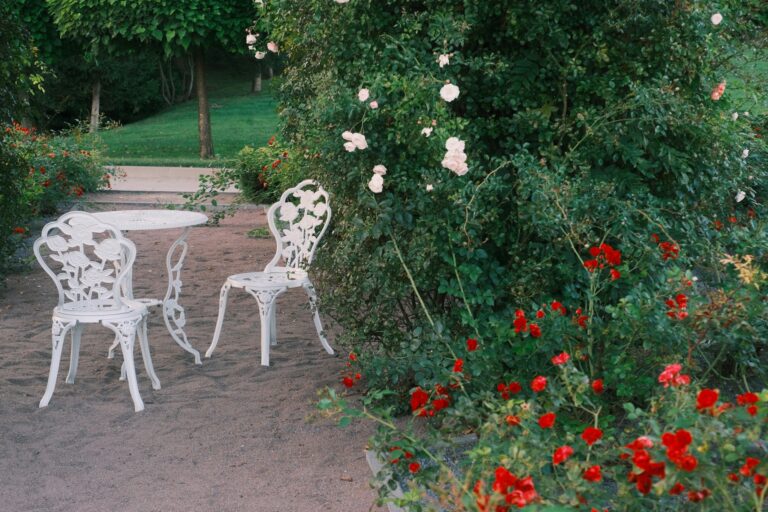
A garden can completely change once summer evenings arrive. The same space that feels purely practical during the day can become somewhere to eat, talk, read or spend a few quiet hours outside after the temperature drops.
The best outdoor spaces are rarely the most elaborate ones. What matters more is comfort, easy maintenance and a setup that makes going outside feel effortless. If chairs need to be dragged from storage, lighting has to be improvised and the garden still needs work every time someone wants to use it, evenings outdoors quickly lose their appeal.
Preparing in advance solves much of that. A little attention to seating, plants, lighting and pet safety can turn the garden into a space that is ready whenever the weather cooperates.
Create an Evening Setup That Feels Different From the Day
The garden does not need to become a formal entertaining area, but it helps if the evening setup feels intentional.
Comfortable seating, a small table and somewhere to keep drinks or snacks can immediately make the space easier to use. Adult gatherings may also include personal leisure items or brands such as Badass Glass, but the important design principle is to keep the social area organised around comfort and conversation rather than filling it with too many objects.
Position chairs so people can talk naturally instead of arranging everything in a straight line.
A small side table between seats can also make a surprising difference because nobody has to balance a drink or phone on the ground.
If the same space is used during the day, lightweight furniture makes it easier to rearrange depending on who is using the garden.
Check Garden Products Before Pets Spend More Time Outside
Summer often means pets spend longer periods in the garden, which changes how lawn and plant care should be approached.
Products used for weeds, pests or fertilising should be checked carefully before they are applied anywhere animals regularly walk, sniff or lie down. Pet owners researching treatments may reasonably ask is weed killer safe for cats before deciding what to use or how long an area should remain off limits.
Following the specific product instructions is essential.
Animals should be kept away from treated areas for the recommended period, and bowls, toys or bedding should be moved before spraying or applying anything nearby.
Thinking about pet access before garden maintenance is much easier than trying to control where a curious cat or dog goes afterwards.
Make Lighting Soft but Practical
Photo by Azmar Aso on Unsplash
Good garden lighting needs to make the space usable without making it feel like a car park.
Start with practical areas. Steps, paths and doorways should be visible enough for people to move safely after dark.
Then add softer light around the seating area.
Lantern-style lights, wall fixtures or subtle string lighting can create a warmer atmosphere without overwhelming the garden. Several smaller light sources often work better than one extremely bright fitting.
Solar lights can also be useful where installing wiring would be difficult, although their performance depends heavily on how much sunlight they receive during the day.
The goal is to create enough visibility that people can relax without losing the quieter feel of an evening outside.
Sort Out Shade Before the Hottest Days Arrive
Summer evenings are often comfortable, but the garden may still be very warm when people first go outside.
Shade can make the space usable earlier in the day and prevent chairs or tables from becoming uncomfortably hot.
A parasol is one of the simplest options because it can be moved as the sun changes position. Pergolas, awnings and trees can provide more permanent coverage.
Watch where the strongest afternoon sun falls before choosing a location.
A seating area that feels perfect in spring may become difficult to use in July if it receives direct sunlight for several hours.
Planning for shade also makes the garden more flexible for weekend lunches and daytime gatherings.
Reduce the Jobs That Interrupt Relaxing
A garden feels less relaxing when every evening begins with twenty minutes of maintenance.
Clearing clutter beforehand can make outdoor time much easier. Store gardening tools away from seating, remove broken pots and give cushions or accessories a dry place to live when they are not in use.
It can also help to focus planting around what can realistically be maintained.
A smaller number of healthy plants usually creates a better impression than an ambitious garden that constantly looks unfinished.
If leaves, grass clippings or other debris collect near the main seating area, a quick recurring cleanup is more effective than leaving everything until guests are expected.
The easier the space is to reset, the more often it will actually be used.
Add a Few Things That Make People Want to Stay Outside
Once the practical side is handled, small comforts can change how long people remain in the garden.
Outdoor cushions, a light blanket for cooler evenings or a speaker for quiet music can make the space feel more inviting.
Food does not need to be complicated either.
A bowl of snacks, cold drinks or an easy dessert can turn an ordinary evening into something that feels slightly more deliberate without creating much extra work.
The strongest garden setups support spontaneous use.
Nobody should need to organise a full event just to sit outside for an hour.
That is ultimately what makes a summer garden successful. It should be ready for ordinary evenings as well as special ones.
Comfortable seating, thoughtful lighting, manageable maintenance and safe choices around pets can create a space that feels easy to enjoy.
When those basics are in place, the garden stops being another area that needs attention and starts becoming somewhere the household naturally wants to spend time.