
Liverpool has spent two decades being described as a city on the up. In 2026 the numbers make the case without needing the adjectives.
Start with rent. ONS figures put the average monthly private rent in Liverpool at £905 in June 2026, up from £854 a year earlier, a rise of 5.9 per cent. That still sits below the North West average of £961 and a long way under the UK figure of £1,388, which is precisely the point. Tenants get a proper city centre for less than they would pay almost anywhere comparable, and landlords get rising income from a low entry cost.
House prices tell the same story more slowly. Home movers in Liverpool paid an average of £217,000 in May 2026, up from £208,000 twelve months before. Set against a North West average of £264,000 and a Great Britain average of £335,000, Liverpool remains one of the cheapest routes into a major English city. Terraced housing, still the bulk of what changes hands here, rose 6.4 per cent over the year. Flat prices were broadly unchanged, which says more about the volume of new city centre stock coming through than about tenant demand.
The structural argument is on the waterfront. Everton’s move to Bramley-Moore Dock for the 2025/26 season put a 52,888-seat stadium on a stretch of dockland that had been derelict for decades, and it anchors the £5.5 billion Liverpool Waters masterplan. Homes England has committed £55 million to accelerate Central Docks, funding a new urban park and the infrastructure for roughly 2,350 homes. The Liverpool City Region Combined Authority has since confirmed North Docks as a priority regeneration project under its Mayoral Development Corporation. Vauxhall, Sandhills and the Ten Streets are no longer speculative bets on a masterplan drawing.
Then there is the demand side, which investors from outside the city tend to underrate. Three universities and one of the youngest populations in the country. A Knowledge Quarter drawing life sciences and technology employment into L7. Tens of millions of visitors a year feeding a short-let market that runs hot around matchdays and festivals. Liverpool’s median price to earnings ratio sits at roughly 4.6, meaning local wages still support local prices. That is the quiet indicator that a rental market is sustainable rather than borrowed against future growth.
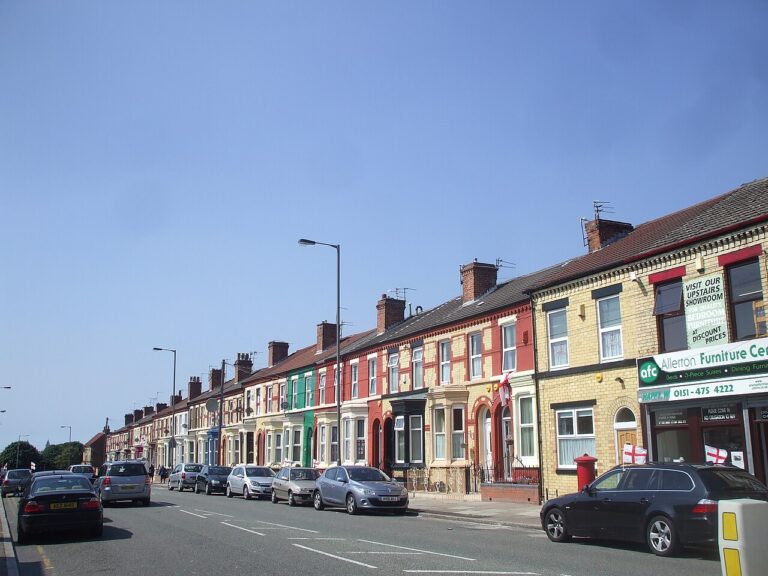
None of which makes Liverpool a single market, and this is where the averages stop being useful. Average sold prices run from around £130,000 in parts of L4 and L5 to well beyond £400,000 in Allerton and Mossley Hill, and reported yields range from roughly 3 to 7.5 per cent depending on postcode. Anyone assessing Liverpool property investment seriously ends up working at street level rather than city level, comparing regeneration proximity, tenant profile and service charges block by block. Transaction volumes have also thinned over the past year, so anyone buying to sell within a short horizon should price in longer marketing periods. Selective licensing, service charges on new build blocks and the direction of rental legislation all belong in the sums before anything is signed.
The broader picture is a city where rents are climbing faster than the cost of buying into them, backed by regeneration that has moved from planning consent to concrete. Whether that holds through 2027 depends largely on how quickly the North Docks pipeline delivers, and on whether the flat end of the market absorbs the new stock coming through.
For readers weighing all this up closer to home, that local knowledge matters more in Liverpool than in most markets. The difference between a strong yield and a mediocre one here is often a matter of a few streets, and it is rarely visible from a portal listing. Elite Realty Invest is one of the firms working in this space from inside the city, headquartered in Liverpool with a team whose combined industry experience runs past 25 years, sourcing both open market and off-market residential stock across the city centre and the regeneration corridors north of it. For anyone at the research stage, a Liverpool-based view of the pipeline is worth having alongside the national data.