
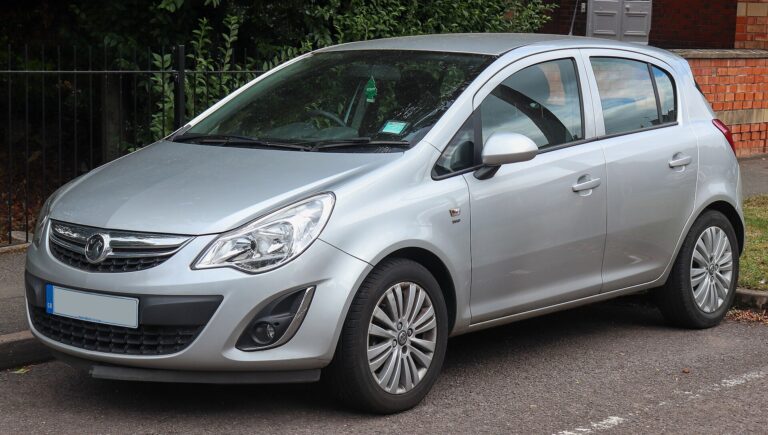
Buying your first car is an exciting milestone. You imagine weekend trips, spontaneous drives, and the freedom of having your own wheels. But alongside that excitement come costs that many first-time drivers often underestimate. Some are obvious and upfront, like the purchase price, while others such as insurance, fuel, maintenance, appear once the keys are in your hand. Understanding these expenses before you make your big purchase helps you budget realistically, avoid surprises, and pick a car that suits both your lifestyle and your finances.
The upfront cost of the car itself
Deciding between a new, nearly new or used vehicle has a big impact on your budget. New cars offer the latest features but lose value quickly, while used or nearly new models often give better long-term value since someone else has absorbed the initial depreciation of the car. Always check a vehicle’s history, mileage, and condition to avoid unexpected repairs. Many first-time drivers or younger drivers can also reduce costs by choosing telematics insurance, which rewards careful driving and makes owning a first car more affordable.
Insurance costs and what affects them
Insurance can be one of the largest ongoing expenses for your first car. Age, driving experience, car type, location, and security features all influence premiums. First-time drivers or younger drivers typically pay more because insurers haven’t yet seen your record. Comparing multiple policies before making the big jump can uncover better rates and help you choose coverage that suits your circumstances without overpaying.
Running costs: fuel, maintenance, and repairs
Ongoing costs include fuel, servicing, MOTs, tyres, and unexpected repairs. Cars with higher fuel efficiency save money over time, while regular maintenance keeps your vehicle safe and reliable. Budgeting for routine checks and minor repairs prevents small issues from turning into larger, more expensive problems.
Additional costs: tax, breakdown cover, and parking
Don’t forget essential extras like vehicle tax, breakdown cover, and city charges such as parking permits or congestion fees. These may feel small individually, but they quickly add up. Planning for these expenses alongside your other costs gives you a more accurate picture of what car ownership will really cost.
Being aware of all these costs before you buy a vehicle helps you make informed decisions and enjoy the independence of your first car without financial surprises. Careful planning today makes owning your first car far smoother tomorrow.