
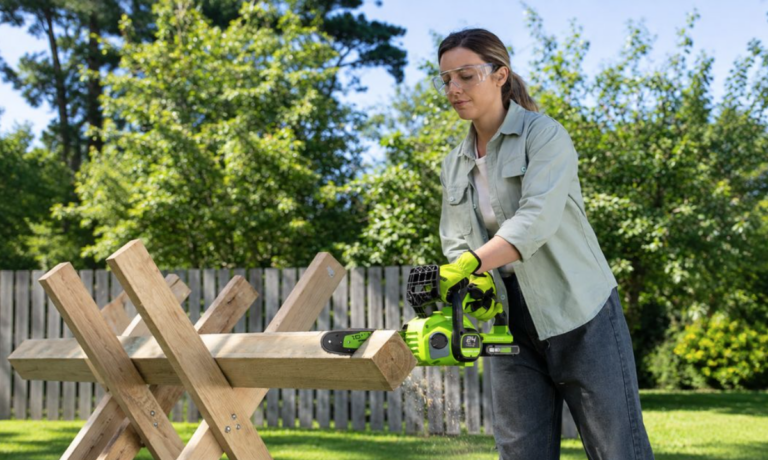
Maintaining a garden in Liverpool or the surrounding area is not a single seasonal task. Lawns, boundaries, paths and planting all need attention at different times of year. Cordless equipment can make some of those jobs more convenient, particularly when there is no outdoor power point or the space is awkwardly shaped. The key is to choose tools for the work you actually do rather than buying a machine for every possible problem.
Spring: start with the basics
As the garden becomes more active, clear winter debris from paths, inspect fences and prepare the lawn when ground conditions allow. A mower may suit regular grass maintenance, while a string trimmer can help reach edges and corners that the mower misses. Secateurs and hand saws remain useful for modest, accessible pruning. For damaged trees or work above shoulder height, obtain professional advice instead of reaching automatically for powered cutting equipment.
Summer: manage growth safely
Grass and hedges can grow quickly in warmer months. A lightweight cordless hedge trimmer may be useful for accessible boundaries, but correct timing depends on the species and wildlife activity. Inspect carefully for active nests before trimming and postpone work that could disturb protected birds. For lawns, adjust mowing frequency to the actual growth and avoid scalping dry grass. Keep children and pets away from all powered machinery.
Autumn: leaves and suitable timber work
A blower can gather loose leaves from a large patio or lawn, while a rake is often better for smaller spaces and wet foliage. Autumn can also reveal fallen twigs or branches, but storm-damaged timber may be unstable or under tension. Homeowners researching Greenworks chainsaws should check machine specifications, bar length, batteries, and above all whether they have the training and protective equipment to use a chainsaw safely. Dangerous tree work should go to a qualified specialist. A cordless chainsaw, sometimes described as a battery chainsaw, deserves a different level of assessment from everyday garden maintenance tools because the cutting risks are substantial.
Winter: inspect and store
In winter, focus on clear routes and safe storage. Sweep slippery leaves from steps, check drainage and look for fence damage after strong winds. Clean and dry equipment, maintain cutting parts according to the manual and store batteries within the manufacturer’s recommended conditions. Do not assume that every tool can be left in an unheated, damp shed or charged at any temperature.
Compare battery platforms carefully
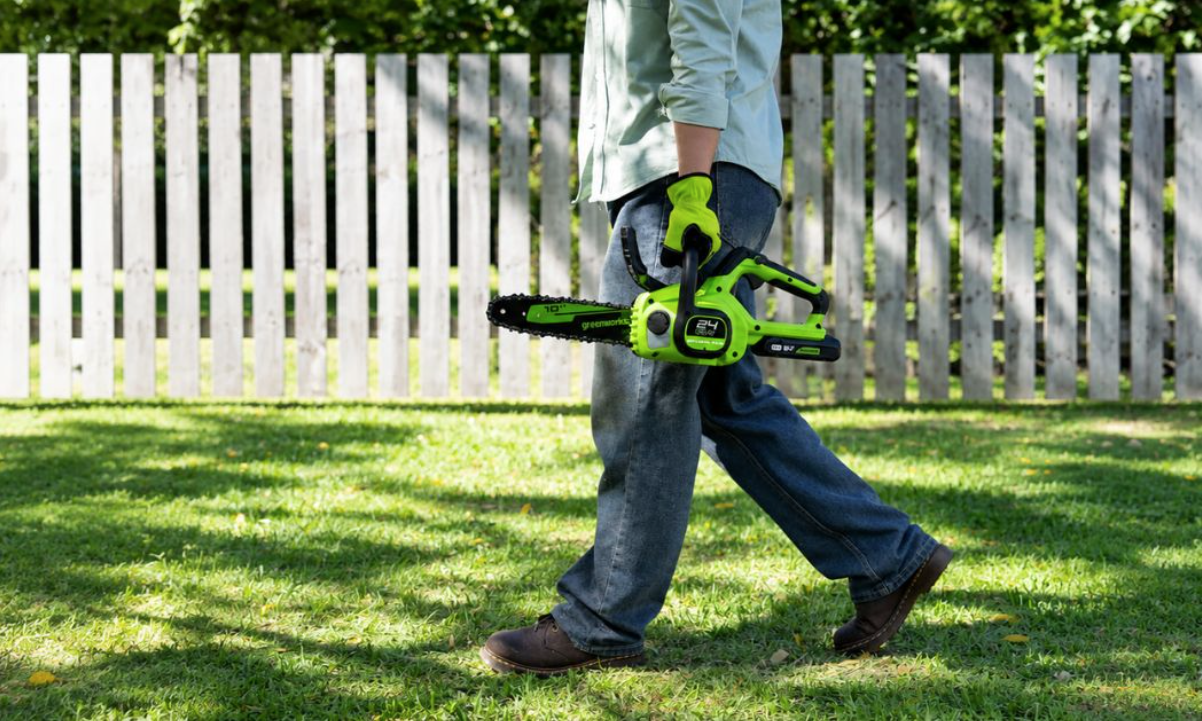
Some cordless garden tools can share a compatible battery and charger within one manufacturer’s defined system. This can reduce duplicated equipment, but compatibility must be checked for the exact model. A tool-only product may not include a battery or charger, so compare the total cost before buying. Runtime will vary with the workload and conditions, so use published specifications as guidance rather than promises.
Choose safety equipment with the task
A blower, trimmer and chainsaw do not carry identical hazards. Follow each tool’s instructions, including suitable eye, hearing, hand and foot protection where required. Chainsaws demand specialist protective equipment and appropriate competence. Do not use a chainsaw as a routine substitute for hand secateurs, and never attempt high-risk cutting simply because the machine is cordless.
Work considerately around neighbours
Urban gardens are often close together. Choose sensible hours for powered tasks, keep debris on your own property and clear waste from shared paths. A small garden may be easiest to maintain with hand tools and just one or two carefully chosen machines.
Build a toolkit around the seasons
A sensible year-round approach covers mowing and edging, modest hedge maintenance, leaf collection and routine inspection. Buying only the equipment that genuinely fits those tasks makes gardening easier without turning the shed into a collection of rarely used machines.