
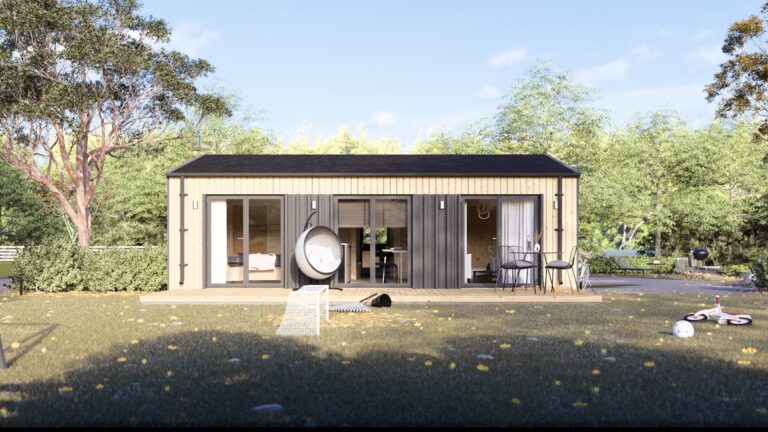
Garden house cabins offer a sustainable solution for Irish homeowners looking to increase their living space as Ireland becomes a more environmentally conscious nation. These buildings provide an eco-friendly alternative to traditional options and can be adapted to suit a variety of uses. Homeowners can explore their range to find a solution that matches their space and lifestyle requirements. Adding a garden cabin to a property can reduce the carbon footprint considerably and add value through versatile space.
The “Green Space, Less Waste” Scorecard Framework offers a three-tier approach to assessing the sustainability of garden cabins. This applies to all garden structures, from timber cabins to garden sheds. It positions them not just as additions, but as contributors to a more sustainable property. This framework will address (1) Material Selection, focusing on renewable and reclaimed materials; (2) Energy Integration, by emphasising passive solar design strategies and renewable energy systems; and (3) Ecosystem Enhancement, which shows how the placement of the cabins and landscaping increases garden biodiversity.
What Makes Garden House Cabins Sustainable?
Garden house cabins are a low-impact building alternative to typical building expansion, meaning they incorporate sustainable methods and materials. Their design makes them environmentally efficient from the ground up.
Natural Timber Construction: Many cabins are constructed from natural timber which has a much lower carbon footprint than steel and concrete.
Energy Efficiency: The best cabins use high levels of insulation and smart design to reduce energy consumption for heating and cooling.
Minimal Foundation Requirements: Smaller garden cabins often require less invasive foundations, reducing land disruption and the use of carbon-intensive materials like concrete.
Longevity and Durability: Constructed from robust materials, well-maintained cabins offer a long lifespan, reducing the need for premature replacement and associated resource consumption.
Environmental Benefits of Garden Cabins in Ireland
Garden cabins offer significant environmental benefits over traditional home extensions, creating a smaller carbon footprint and supporting greater biodiversity. Their smaller size and choice of materials contribute to lower embodied emissions.
Compared to steel or concrete, timber-based building solutions typically have a lower carbon footprint. This is primarily because wood stores carbon throughout its lifespan.
Reduced Carbon Footprint: Compared to traditional extensions, garden cabins typically involve less intensive construction and often use materials with lower embodied carbon.
Rainwater Harvesting Compatibility: Cabins can easily integrate rainwater harvesting systems, reducing reliance on municipal water supplies for garden irrigation or non-potable uses.
Solar Panel Integration: Small-scale solar photovoltaic (PV) systems can be seamlessly added, making cabins energy self-sufficient or contributing to the main home’s energy needs.
Native Landscaping and Biodiversity: Thoughtful landscaping around cabins with native Irish plants can significantly boost local biodiversity, providing habitat and food sources for pollinators.
Practical Uses for Sustainable Garden Cabins
Sustainable garden cabins are flexible spaces that support a variety of lifestyle needs while remaining environmentally responsible. These flexible structures can evolve with the homeowner’s needs.
Home Office Spaces: Working from home means less commuting which can reduce transport-related emissions. Creating a garden office space can help achieve this.
Guest Accommodation: Guest accommodation reduces the environmental impact associated with relying on external hospitality services.
Wellness and Meditation Spaces: These peaceful spaces promote mental wellbeing in a natural setting, reducing the need to travel to external facilities.
Creative Studios and Hobby Spaces: Garden cabins provide dedicated spaces for creative activities that may be noisy or require more room than the main home can comfortably provide.
Seasonal Living and Downsizing Options: A well-designed cabin can serve as a primary residence or seasonal retreat for those seeking a simpler lifestyle or a closer connection to nature.
Choosing Sustainable Materials and Features
Choosing materials that are renewable, recycled and low impact will help maintain the sustainability of your garden cabin. These options lower the environmental impact throughout the cabin’s life-cycle.
FSC-Certified Timber: FSC-certified timber refers to timber that comes from forests that meet strict standards for sustainability and social responsibility.
Low-VOC Finishes: Opt for low-VOC paints, stains and sealants to improve indoor air quality and reduce chemical emissions.
Energy-Efficient Windows and Doors: Double or triple-glazed windows and doors help minimise heat loss, improving energy efficiency and reducing heating costs.
Green Roofing Options: Various types of green roofing offer environmental benefits. In fact, living roofs improve insulation, manage stormwater and create habitats of local flora and fauna.
Conclusion: Your Sustainable Garden Cabin Journey
Having a garden house cabin in Ireland is already a step into the future of sustainable living and homeownership. By thoughtfully choosing materials, applying renewable energy techniques, and considering local biodiversity, homeowners can create functional and environmentally friendly living spaces.
These structures contribute directly to Ireland’s sustainability goals by reducing the need for carbon-intensive construction, promoting energy independence and enhancing biodiversity. Creating a sustainable garden cabin starts with making the right choices and a commitment to green living principles. A sustainable garden cabin can benefit both your property and the wider environment.