
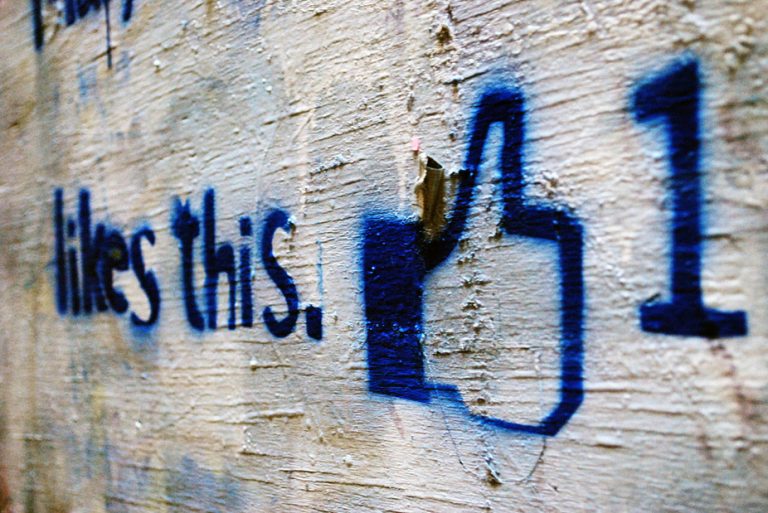
Liverpool is a city of ‘Like devotees’ chasing recognition from of their social media posts, according to a new study.
Figures released by BT to celebrate their new Smart Hub service reveal that Brits are now checking their Facebook, Twitter and Instagram accounts on average seventeen times following a post, to gauge the reaction.
The average person in Liverpool has three social media accounts and spends nearly three hours posting and sharing statuses, pictures and videos
Anything less than 37 reactions, shares or comments of a single post is considered a disappointment.
Nationally, men emerge as the needier sex, expecting 40 likes on average to feel happy with a post, compared to 28 likes for women.
It takes the average person in Liverpool around eight minutes to create and compose the ideal “like worthy” update, with men across the country taking an average of ten minutes versus eight minutes taken by women.
It takes a further 10 minutes to take the perfect picture, find the right filter and upload it to social media
Around 50 per cent of people in Liverpool say if someone didn’t like, share or comment on their post, it might prevent them doing the same on theirs
On average men check their posts for recognition every minute for a whole 19 minutes, compared to women who only check once a minute for a quarter of an hour
A staggering 80 per cent of people in Liverpool say being recognised on social media is “important” and as a result, 55 per cent admit being envious of other people who have more success with their posts, tweets and shares
Leading psychologist Becky Spelman said: “Likes” or “shares” on a post seem to provide us with the instant gratification that we crave and it’s interesting to see people collecting online “friends” without stopping to think how many are actually friends!
“It’s not surprising to see men having more issues with social media dependence than women, as they often have less well-developed social networks and fewer emotional ties in the real world.
“Superficial interactions such as “liking” someone’s post are harmless in themselves.
“But people need to be careful that when they interact with social media they don’t forget real life relationships with friends and family members.
“I would recommend limiting friends on social media to people you actually communicate with and know in a meaningful way, rather than just anyone who has ever sent a friend request.
“Social media channels work for us when we use them as a tool to communicate, not a way to judge our self-worth.”