

The Everyday Impacts of Drinking Alcohol
Whether you’re a moderate or social drinker, the habit of drinking daily and experiencing struggles when reducing consumption can be signs of alcohol dependence. Moderate drinking can range from consuming one or two drinks in a day or drinking alcohol a few times a week. This can have dire impacts such as increasing risks for your overall health. Some people may also experience psychological impacts such as constant cravings or a lack of control when it comes to alcohol, which can be a sign of not just dependence, but also addiction.
Without proper care, these habits may escalate into excessive drinking. Heavy drinkers may bear health risks that are more severe such as impacts on their liver and heart functions. It is also important that you figure out how to tell if you are suffering from alcohol abuse to keep yourself safe.
Short Term Effects Of Alcohol
One does not have to be a regular drinker to experience the negative side effects of alcohol consumption. Just by drinking, the short-term effects are prominent from affecting one’s behavior to their ability to function daily tasks. Not only does it increase health risks, but it also influences the risk involved in one’s actions such as performing dangerous activities like drinking and driving, participating in violence, or sustaining injuries.
The short-term impacts of alcohol include mental impairment such as reduced judgment, concentration, coordination, and reaction time; and physical effects such as drowsiness and confusion. One may also experience quick changes in mood and increased blood pressure. In some cases, individuals may even throw up or blackouts due to alcohol. These symptoms are also dependent on the person’s alcohol tolerance and experience, as well as physical traits such as their size and age.
Why is Moderate Drinking Still Dangerous?
For instance, pregnant and breastfeeding women are advised to abstain from drinking as this can prove to be detrimental for the baby. If you are also under any medical condition or medication that conflicts with alcohol, it is also highly advisable to avoid drinking. Minors under the age of 21 should not drink alcohol; and people who are tasked to operate large machinery as alcohol may impair their judgment and increase the risk of danger at work. If you are also withdrawing from alcohol, or have recovered from alcoholism, it is also recommended that you do not fall back into the habit of daily drinking even if it is in moderation as this can trigger past habits and addiction cravings.
It is best to consult your doctor before deciding to drink alcohol, especially if any of the above applies to you. Failure to do so may expose yourself to great risks to your health and lifestyle. Although some claims have been made that drinking may exhibit some positive health benefits, this may not always be true. Moderate drinking will increase the risk of cancers and diseases, much more than the occasional drink, and excessive drinking will always bring about the worst impact on your health and wellbeing.
Long Term Effects of Alcohol
While the short-term effects of alcohol points to the immediate health impacts on the body and fuels potentially dangerous behaviors, long-term consumption exacerbates the negative effects of drinking and poses a lot more danger to an individual. The list of concerning health conditions include diseases affecting the heart and cancer, as well as mental illnesses such as depression and anxiety. One may find an increase in their blood pressure and a reduction in memory, not forgetting a risk of experiencing a deficit of nutrients in their body as a result of long-term drinking. Even when taken in moderation, drinking can increase one’s weight and cause dehydration and compound on existing health conditions such as diabetes.
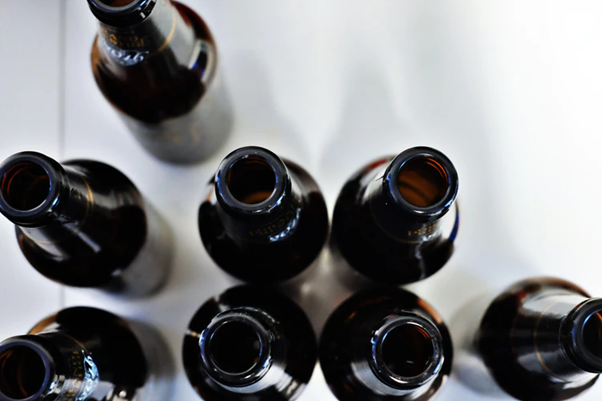
It is important to note that these health risks will definitely increase when one drinks more alcohol, especially if they exceed the recommended units of more than two drinks in a day. However, this is not to say that moderate drinking, even in recommended amounts, does not expose oneself to health risks. Depending on your body and health, you may experience some of these symptoms of alcohol. In addition, the habit of daily drinking can lead to alcohol dependence and addiction as well.
Some signs of drinking issues include using alcohol as a coping mechanism in the face of negativity in their life such as health issues, relationship problems, or dealing with work-life balance. One may also be constantly tempted to drink, drink more than they claim, or even lie about their drinking habits. The key to identifying alcohol addiction is noticing an inability to reduce their consumption levels or how often they drink.
If you relate to any of the above, it is important to consult your doctor or a specialist on your consumption habits. Alcohol dependence and addiction are more likely to aggravate over time and this may not only influence your health but your life in general.
Alcohol Dependence And Addiction
While it is true that some people do not develop any form of dependence or addiction, it is also true that many people become victims of alcohol as their struggles continue to develop. It can be difficult to identify the main reason for these issues and if alcohol consumption is a driving factor in your unhealthy habits. It is important to ask yourself your reasons for drinking; the reasons behind how much and how often you drink.
If you find that it is difficult to fight the desire to drink and you experience withdrawal symptoms when attempting to quit or reduce alcohol consumption, you may be dependent on alcohol. Some people are unable to picture their life without alcohol or use alcohol to cope with their problems in life. In cases like these are allowed to carry on, it will worsen one’s alcoholic cravings and dependence.
Conclusion
Although one may consume alcohol in moderation, it is still important to be aware of the potential adverse health risks and lifestyle impacts it can cause. The occasional drink may be okay, but anything more than that in the long-term can create alcohol dependence and addiction. If you find that you may be struggling to quit or reduce your alcohol intake, seeking professional help is always highly recommended.