
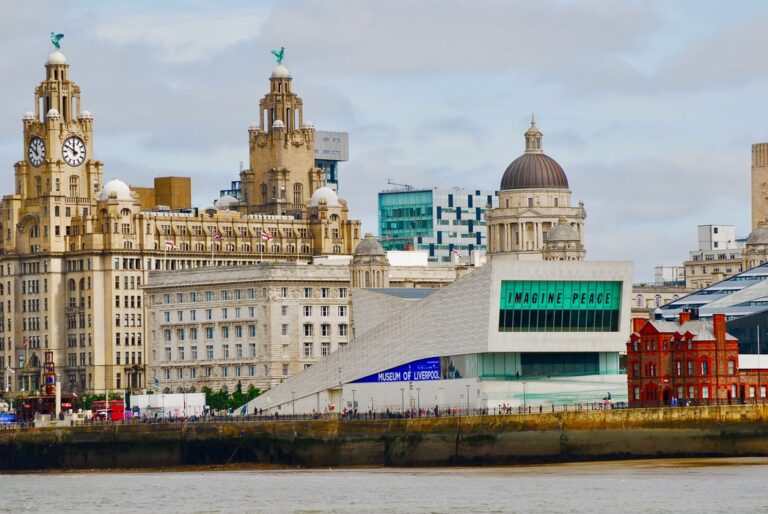
Liverpool has undergone a lot of change over the last decade or so. In the last year, the Churchill Way Flyovers have been removed after more than 40 years of service, leaving an almost unrecognisable space below.
Elsewhere in the city centre, Liverpool Lime Street Station has undergone a major redevelopment, creating a much more aesthetically pleasing exterior.
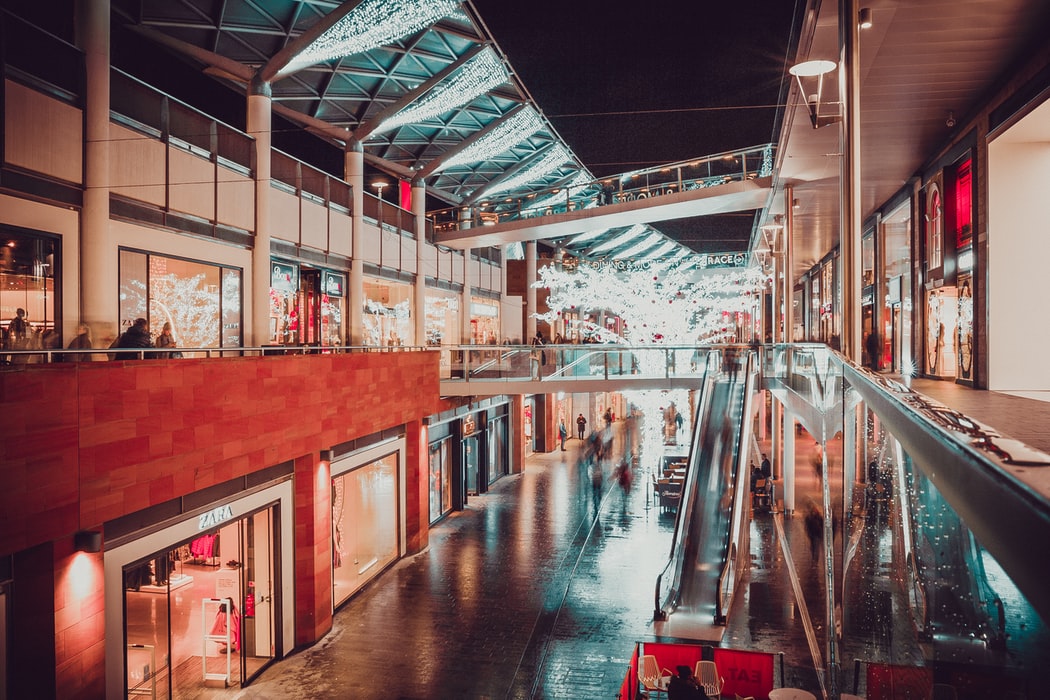
Perhaps the most notable piece of development in recent years has been the construction of Liverpool ONE, a part-indoor, part-outdoor shopping venue packed with more than 170 retail outlets, bars and restaurants. Unlike other nearby shopping venues like Cheshire Oaks and the Trafford Centre, Liverpool ONE sits right at the heart of the city.
In this area, at least, Liverpool has managed to beat the trend seen in other parts of the country, with shops closing and businesses failing to pay their bills. But what does the future have in store?
“Experience” Businesses
While the term “retail therapy” has been a common part of our lexicon for some time, the trend of buying more “stuff” has changed to a focus on experiences. Instead of cheering ourselves up with some new shoes, we’re looking to have fun with our friends and loved ones.
This has given rise to more coffee shops. Across the country, thousands of new branches of chains like Starbucks and Costa have opened. In Liverpool, the area around Bold Street has seen plenty of independent coffee shops and restaurants open.
Unique venues like Ghetto Golf and Bongo’s Bingo have also proved immensely popular. It’s likely they will continue to in the coming years as the demand from consumers doesn’t look like it will slow down any time soon.
The city centre also offers other entertainment experiences, such as the observation deck in the Radio City Tower and the opportunity to take a tour of the Mersey Tunnels. However, a plan for a permanent zip wire, which would have created another unique experience in the city, was recently blocked by the Mayor.
Betting Shops and Casinos
Another industry that has so far managed to weather the changing demands of consumers is the casino and sports betting industry. The Liverpool City Region has around a dozen casinos and several dozen betting shops. These numbers have remained relatively constant over the last decade, while shops have come and gone around them.
The evidence shows that the growing popularity of well-known online casino games and the already established land-based casinos can co-exist quite well and sometimes even work together.
However, for sports betting shops, we are beginning to see a different trend. While they had actually grown in number during the 2010s, changes to the rules on fixed-odds betting terminals and improvements in mobile betting has made the traditional bookmakers less popular, as bettors spend more online instead. We will likely see these shops slowly close across the city in the coming years.
Strong Independent Businesses
The demand for “experiences” in retail has led to the success of large shopping centres like Liverpool ONE. It often comes at the detriment of older high streets and more local areas. However, in Liverpool this hasn’t been seen as much the case because Liverpool ONE hasn’t driven consumers away from the city centre.
While rows of shops on the likes of Stanley Road and in Bootle Strand have faced, and will likely continue to face strong pressure from falling demand from consumers, the independent businesses located around Revolution Square and Bold Street seem likely to buck the trend seen elsewhere in the country.
Mix of Online and Offline
More than half of the British population now shops online for at least some of the things that they buy. This has been blamed for the decline in many high streets up and down the country.
However, many businesses are succeeding by offering an online and offline experience. John Lewis and Argos both offer collect in-store options to customers when they buy through their website, and Argos even offers same-day delivery, using its shops as a network of distribution hubs.
Businesses in Liverpool that can find a way to serve their customers through both channels will be the ones that succeed, and the ones that look to preserve the ways of the past will eventually be left behind.