
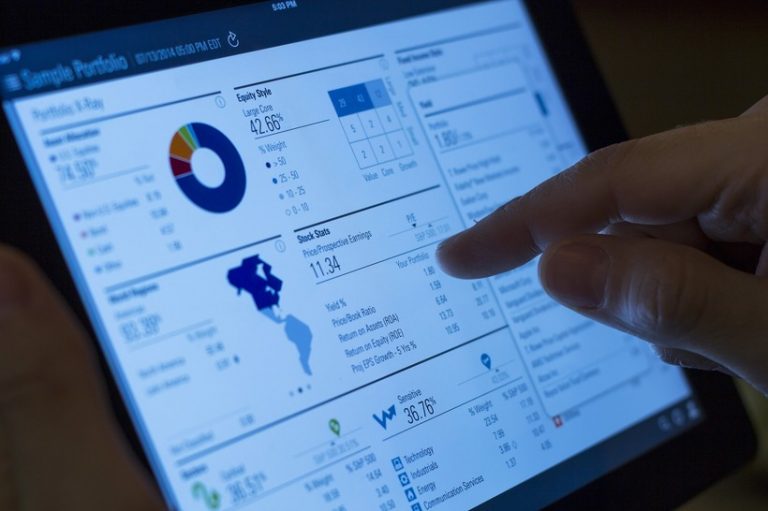
Meet FinTech, a new breed of business built on Silicon Valley’s ingenuity, coupled with the banking focus and financial savvy usually reserved for banks on Wall Street.
FinTech, an abbreviation of ‘financial technology’ is one of the biggest stories in the start-up industry! Here, we’re looking at how FinTech is changing the face of business landscapes across the globe. Let’s dive into how technology and alternative banking payments are turning the conventional financial industry on its head.
What is FinTech?
FinTech is a very young industry and encompasses a range of new and agile start-ups that are striving to make financial systems more efficient through the use of technology. The core commonalities we can see throughout the FinTech industry cover increased speed and accessibility.
How FinTech is Changing Business
For businesses, the impact FinTech is having is clear. Nowadays, by utilising mobile connectivity, and always on internet connections, businesses are easily able to invest in feature-rich technology and services that a decade ago would have come with astronomic, sky-high costs.
These features have also allowed businesses to provide enhanced accessibility for their customers. In a digital-driven world where the universal adoption of smartphone devices means continuous access to real-time data, consumers are now demanding continuous access to transactions and financial information at a level never before possible.
These evolving consumer demands have led to the rise of mobile banking, omnichannel payment processing, peer-to-peer payment systems, and even new and innovative ways of evaluating credit applications. Platforms like Revolut are one such example of FinTech banking alternatives outlined in the infographic below. It offers a fantastic solution for individual travellers or international businesses. This FinTech company provides free international transfers, alongside fee free global spending and the use of interbank exchange rates.
