
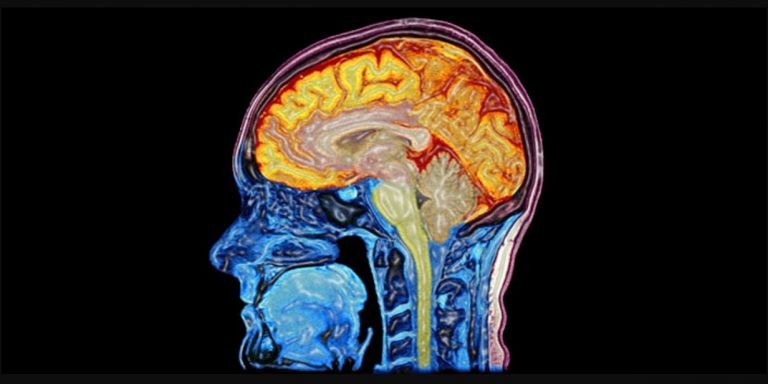
When the brain is injured due to trauma to the head, the effects can be significant and long lasting.
While some people will make a full recovery, others may be left with life long complications, including varying levels of physical disability, memory problems, concentration issues and other mental deficits.
How serious the symptoms will be and what level of recovery can be achieved will depend on the nature and extent of the injury, what areas of the brain are affected and what level of rehabilitation care the brain injury sufferer receives.
Effects of a traumatic brain injury
Even a relatively minor brain injury can lead to temporary issues such as headaches, dizziness, tiredness, depression, irritability and memory loss. This is commonly referred to as a concussion and most people will be back to normal within two weeks, although some may experience symptoms for months or even years afterwards.
More serious brain injuries can lead to a wide range of problems, including issues with mobility, balance and co-ordination, weakness or paralysis, difficulty speaking, problems with concentration, decision-making, social behaviour and more. Some of these effects may be temporary, while others can become life-long issues.
How the brain recovers from injury
Unlike most cells in the body, when brain cells are damaged or destroyed they will not regrow. This means that when you suffer a brain injury, your brain has to try to reorganise itself to compensate, with different parts taking over the functions of the damaged cells. This is known as “brain plasticity”.
The process of your brain reorganising itself involves new nerve pathways being established through healthy cells, bypassing the damaged areas. This process is not always 100% effective, however. That is why there may be some permanent loss of function that translates to a degree of lasting physical and/or mental disability.
However, the right rehabilitation can encourage and speed up the process of establishing new nerve pathways. Rehabilitation can also improve the chances of either a full recovery or one that maximises the potential for doing so.
When will you know if the damage from a brain injury is permanent?
There are no hard and fast rules for how long it takes to recover from a traumatic brain injury, or how soon it will be to tell if some of the damage is permanent.
In general, the most significant recovery will happen within the first few months and then two years after the initial brain injury. However, many patients continue to improve well beyond this, so there is always room for hope.
Rehabilitation for traumatic brain injuries
To have the best chance of full recovery from a brain injury, or to minimise the long-term effects, you need to follow the right rehabilitation process. This is likely to involve various types of treatments, including neurosurgery and time spent in intensive care or a neurological high dependency unit, followed by various mental and physical rehabilitation exercises. Therapies, such as physiotherapy, speech and language therapy and occupational therapy are vital tools in the rehabilitation process.
While rehabilitation for brain injuries will often start in hospital, patients will normally undertake a significant part of the recovery process as an outpatient or while living in a specialist residential unit, as well as at home. If a specialist unit is required this will generally involve being referred to a specialist rehabilitation centre, some of which are run by the NHS and some by private organisations.
Funding traumatic brain injury rehabilitation
While traumatic brain injury rehabilitation is usually provided by the NHS, some patients prefer to be treated privately. However, private rehabilitation can be very expensive, although it will enable you to choose a rehabilitation centre nearer to your home, or one that you feel is better suited to your needs (or the needs of your family member). You may also need to find funding for adaptations to your home, to help you live independently, or to pay for on-going care and support.
This is one reason many people choose to pursue traumatic brain injury compensation, as this can provide the money you need to pay for your care and support, giving you the best chance of recovery or to maximise that recovery, when a full recovery is not achievable. If you wish to pursue compensation, you will need to contact a brain injury solicitor, who will be able to help you make a claim for your traumatic brain injury.