
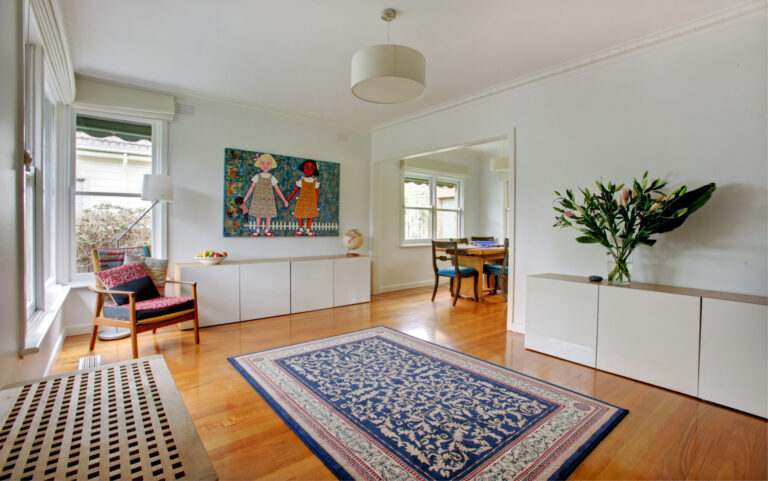
Liverpool’s terraced houses give many streets their distinctive character, from long Victorian rows in Wavertree and Kensington to homes around Anfield and Walton. Inside, though, this footprint can create challenges. A narrow frontage, rooms arranged one behind another and limited daylight can make a house feel smaller than its floor area suggests.
You don’t always need an extension, which can range anywhere from £30,000 to £180,000, or other major renovations to change that experience. Instead, how can you make better use of the space you already have?
Start with the layout, not decorating
Before choosing paint colours, look at what physically interrupts your way through each room – like a sofa projecting into the walkway or a dining table that’s too wide.
Where space feels tight, choose furniture with proportions that match the room. For example, a compact sofa with shallower arms can offer similar seating with less width, while an extendable dining table gives you more space to stretch your legs between meals.
Make natural light travel further
Terraces usually rely on windows at the front and rear, so furniture and finishes between those points can make a noticeable difference. Tall cabinets close to a window, for instance, might block light before it reaches the middle of the room.
Mirrors redirect light into darker areas when you place them opposite or at an angle to a window. Pale walls, ceilings and internal doors also reflect more available light, while glazed internal doors help it reach hallways or adjoining spaces.
Keep busy areas visually calm
Storage matters in hallways, kitchens and living spaces because everyday items quickly occupy surface spaces. Use the height of the room where appropriate, with fitted cupboards or shelving that draws storage upwards.
Look at fixtures, too. Wall-mounted or slimline radiators can free up usable wall and floor space, and wall lights reduce the need for lamps on side tables.
Use the length of the terrace to your advantage
A long room doesn’t have to feel like a corridor. Give different parts of the space a clear purpose while maintaining visual connections between them.
You might position seating towards the front window, for example, then create a dining or work area further back. Repeating flooring or complementary colours across those areas helps your eye travel through the space.
Avoid placing several tall pieces of furniture across its width, as these create visual stopping points.
Make more of the home you have
HomeOwners Alliance estimates that buying and selling an average-priced UK home in 2026 costs £13,968, including costs such as Stamp Duty, estate-agent fees, conveyancing and removals. Thoughtful changes like those outlined above could help you enjoy more of the home you already have without upping sticks across the city or beyond.