
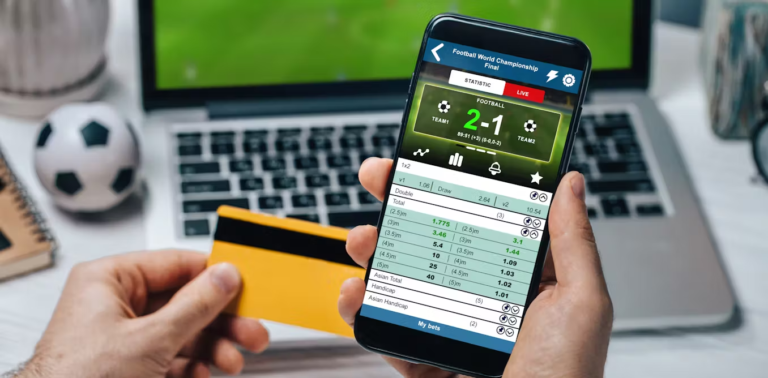
Online gaming provides entertainment and social interaction for millions of players. The UK has the world’s largest regulated online gambling market, with a gambling yield of £15.1 billion between April 2022 and March 2023. So, with an estimated 32% of UK adults gambling weekly, this market is a target for cyber-criminals looking to steal money and uncover customer data. Here are ways you can stay safe online, bearing in mind that vigilance – both of criminal methods and cybersecurity enhancements – is an ongoing necessity.
Strong, unique passwords
This is the simple first line of defence against cyber threats. Weak passwords make it easy for hackers to access your gaming accounts, potentially leading to loss of in-game progress or even personal information.
Hackers use automated tools to crack passwords, but a strong password reduces this risk. A robust password should be at least 12 characters long and mix upper- and lower-case letters, numbers and special symbols. Avoid easily guessable passwords like “password123” or your usernames. Using the same password across multiple accounts is a risk. If one account is compromised, all other accounts are vulnerable, so ensure each account has a unique password.
You could use a reputable password manager to generate and securely store complex passwords.
Phishing attempts
Phishing is a cyber threat that targets gamers through deceptive messages designed to steal personal information or login credentials. Watch out for emails, in-game messages or social media communications that appear to be from legitimate sources. They typically contain urgent requests or enticing offers to lure victims into revealing sensitive information.
Be wary of unsolicited messages or pop-ups claiming you’ve won prizes or free credits, such as those appearing to be from online casinos or gaming sites. These can be phishing designed to steal your information as can unsolicited messages asking for personal information. Always be on guard if they contain urgent language or suspicious links and attachments.
Never click on links or download attachments from unknown or unverified sources, and make sure you access your gaming accounts directly through official websites or apps.
Two-Factor Authentication (2FA) on your gaming accounts is another layer of security. With 2FA, even if a hacker obtains your password, they still need a second form of verification to access your account.
Protecting your personal information
Maintaining the privacy of your personal information is vital in safeguarding against cyber threats. Oversharing can lead to identity theft or doxxing, the intentional, often malicious revelation of a person’s private information online without consent.
Regularly review and adjust your privacy settings on gaming accounts and social media and ensure that your information and activities are visible only to those you trust.
Use secure and private internet connections while gaming. Public Wi-Fi networks are often insecure, so consider a Virtual Private Network (VPN) to protect your data.
Gamers should be aware of scams such as fake game offers, in-game item trades and account recovery services. Educate yourself on how to spot these scams and avoid falling victim to them.