
Researchers on Merseyside have made a breakthrough in helping treat cancer.
The findings by the Clatterbridge Cancer Centre and Cancer Research UK’s Liverpool Clinical Trials Unit could increase survival rates without chemotherapy.
People previously diagnosed with operable pancreatic cancer had to be treated with chemotherapy called gemcitabine after undergoing surgery.
But the research team at Clatterbridge found combining this drug with another called capecitabine could not only extended life but also potentially increase survival rates.
The findings of this groundbreaking research, published in The Lancet, conclude that this combination treatment should become the new standard of care for suitable patients following surgery.
Cases of pancreatic cancer are on the increase and it is likely to become the second leading cause of cancer mortality in the near future.
In 2014, there were 9,618 new cases of pancreatic cancer in the United Kingdom. In the same year 8,817 people died from pancreatic cancer in the UK.
It is hoped the research, which involved 71 patients from Merseyside and led by Professor John Neoptolemos of the University of Liverpool, could increase cure rates significantly.
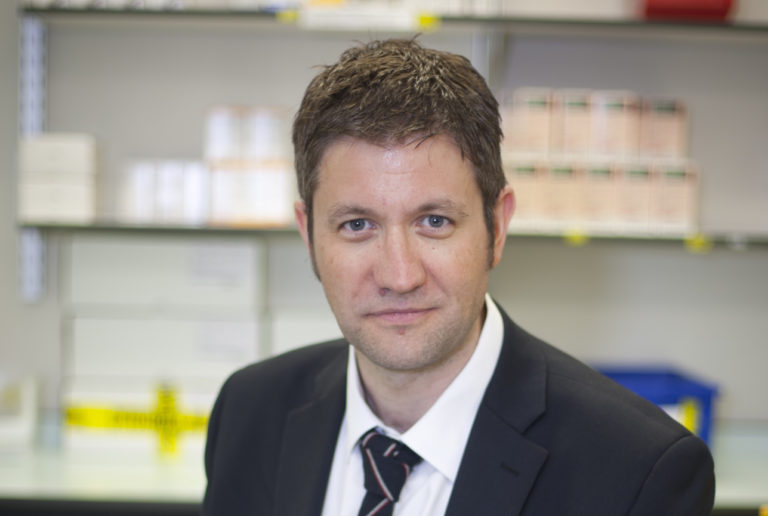
Professor Dan Palmer, Consultant Medical Oncologist at The Clatterbridge Cancer Centre and lead oncologist in this research, said: “This is a significant step forward in the treatment of pancreatic cancer.
“The cure rate after surgery alone is less than 10 per cent. Surgery plus the single chemotherapy treatment sees a cure rate of just under 20 per cent.
“This research has found that surgery plus the combination of both chemotherapy drugs sees this figure increase to nearly 30 per cent.
“So we have seen not just extension of life but an increase in the cure rate. This is not to be underestimated in a cancer that is prevalent in this area of the UK and has a poor prognosis.
“It also means we can now begin to investigate more targeted approaches to treatment with our ongoing laboratory research using cancer samples from the patients in this trial to ensure that, in the future, patients will get the treatment suitable to their case.”