
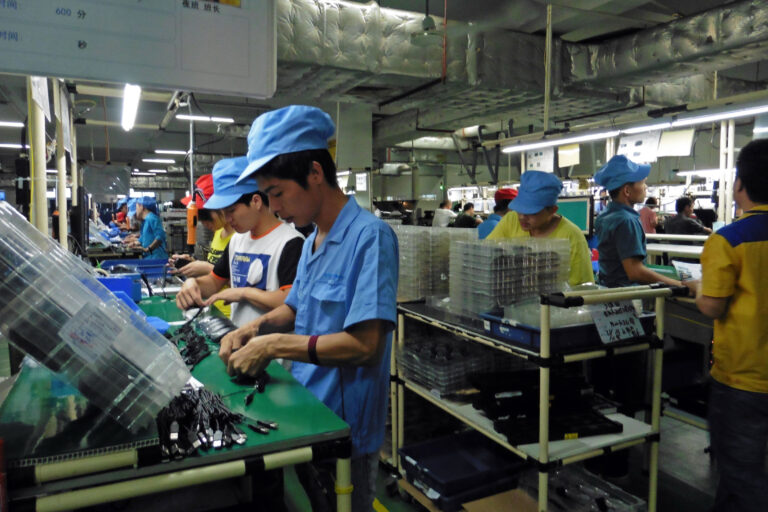
A commercial shipment from China does not simply leave a factory and appear at a UK warehouse. Between those two points, the cargo passes through supplier preparation, local collection, export handling, international transport, UK customs and final delivery.
China remains one of the UK’s most important sources of commercial goods. According to the UK Government’s latest trade statistics, the UK imported £69.7 billion of goods from China in 2025, representing 11.1% of all UK goods imports.
For businesses importing goods from China, understanding how each part of the process fits together makes it easier to set realistic stock dates and coordinate suppliers, freight providers and warehouse teams.
Key Takeaways
- The process begins at the factory, before anything is collected.
- Final weights, dimensions and packing details matter because they affect freight bookings and handling requirements.
- Sea transit is only one part of the overall lead time. Collection, origin handling, customs and final delivery must also be considered.
- FCL and LCL follow different handling processes, particularly when consolidation is involved.
1. The Factory Prepares the Shipment
Once production is complete, the order needs to be prepared for international transport. The supplier should confirm what has actually been produced and packed rather than relying on estimates provided earlier in the buying process.
Before collection, businesses should have accurate details for:
- Number of cartons or pallets
- Total gross weight
- Packed dimensions
- Collection address and contact
- Commercial invoice and packing information
- Agreed Incoterm with the supplier
These details determine the amount of freight space required. If the finished order is heavier or larger than originally expected, the booking may need to be amended before collection.
Packing is also part of the transport process, rather than simply a factory task. The IMO/ILO/UNECE Code of Practice for Packing of Cargo Transport Units provides guidance on packing and securing cargo throughout the intermodal transport chain.
2. Collection and Origin Handling in China
Once the shipment is ready, it moves from the supplier into the international freight network. Depending on the arrangement, this may involve collection from the factory followed by movement to a consolidation facility or other export handling point.
The process differs according to how the cargo is being shipped. With FCL, the importer uses a full container for its consignment. With LCL, several consignments share container space, so individual loads need to be consolidated before departure.
This origin stage should be included when calculating lead times. The vessel departure date only represents one point in the schedule, and time is also needed for collection, handling and loading before the cargo begins its international journey.
3. The Sea Journey to the UK
For larger or planned commercial orders, sea freight China to UK can provide a practical way to move stock in volume, using either FCL or LCL depending on shipment size.
The time spent at sea is only one part of the overall delivery schedule. International shipping relies on vessel schedules, port operations and onward transport arrangements, all of which can affect when stock ultimately becomes available.
UN Trade and Development notes that around 80% of international trade in goods by volume is carried by sea, highlighting the scale and importance of maritime transport within global supply chains.
Businesses should therefore plan around the expected door-to-door lead time, rather than focusing only on the number of days the shipment is at sea.
4. Arrival and Clearance in the UK
Arrival in the UK does not mean the cargo is immediately ready for warehouse delivery. The required arrival procedures and customs formalities must first be completed.
The GOV.UK guide to importing goods explains that businesses need the correct commodity code on the import declaration. This helps determine requirements such as Customs Duty and whether any licences apply.
LCL cargo may also require an additional handling step because the shared container needs to be unpacked and separated into its individual consignments before onward transport can take place.
This is why a vessel arrival date should not be treated as the same thing as a warehouse delivery date.
5. Final Delivery to the Warehouse
Once the shipment has been released for onward transport, the final stage is delivery to the importer’s warehouse, fulfilment centre or other commercial premises.
The receiving team should know:
- What is arriving
- The number of pallets or cartons
- The expected delivery date
- Whether a delivery booking is required
- Any access or unloading restrictions
These details help make sure the final delivery can be completed efficiently and that the warehouse is ready to receive the stock.
Plan Around the Full Shipping Process
Moving stock from a Chinese factory to a UK warehouse involves several connected parts, from supplier preparation and collection through to international transport, clearance and final delivery.
Each part affects the next, which is why importers benefit from planning around the complete movement of the shipment rather than focusing only on the sea crossing.
Taking this wider view makes it easier to set realistic stock dates, coordinate the businesses involved and understand when the order will actually be available for sale or use in the UK.