
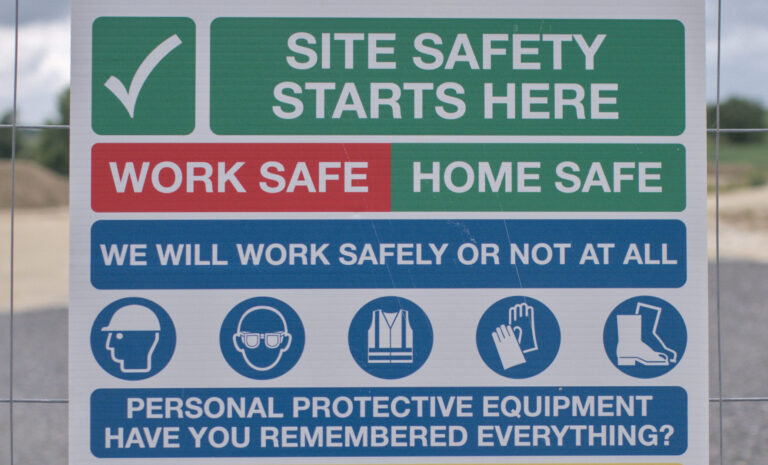
A workplace accident can happen in almost any industry, from offices and warehouses to construction sites and retail environments. Whether your injury seems minor or more serious, taking the right steps as soon as possible can help protect your health, preserve important evidence, and ensure you understand your rights.
Prioritise safety and seek medical attention
Your health should always come first after a workplace accident. If you have been injured, move to a safe area where possible and seek appropriate medical attention immediately. Even injuries that appear minor at first, such as sprains, strains, or soft tissue damage, can become more painful over time if left untreated.
Report any symptoms as soon as they develop and follow the advice provided by medical professionals. Attending appointments, completing any recommended treatment, and keeping copies of your medical records can support your recovery while also creating a clear record of your injuries.
Report the accident and ensure it is recorded
You should notify your manager or supervisor about the accident as soon as possible, even if you believe your injuries are relatively minor. Your employer should record the incident in the workplace accident book, providing an official account of what happened.
Some workplace accidents must also be reported under the Reporting of Injuries, Diseases and Dangerous Occurrences Regulations (RIDDOR). These regulations require employers to report certain serious injuries, dangerous occurrences, and work-related illnesses to the relevant authorities. Ensuring the accident is properly documented can help establish an accurate timeline if questions arise later.
Gather evidence and keep detailed records
Collecting evidence soon after the accident can make it easier to demonstrate what happened. If it is safe to do so, take photographs of the accident scene, any equipment involved, visible injuries, and any hazards that may have contributed to the incident.
If anyone witnessed the accident, ask for their names and contact details. It is also helpful to keep copies of emails, correspondence with your employer, medical records, receipts for travel or treatment costs, and evidence of any lost earnings resulting from your injury.
Maintaining detailed records can provide valuable support if you need to explain how the accident occurred or the impact it has had on your work and daily life.
Understand your rights and next steps
Employers have a legal responsibility to take reasonable steps to provide a safe working environment and reduce the risk of workplace accidents. If you are unable to work because of your injuries, you may be entitled to statutory or contractual sick pay, depending on your circumstances and employment terms.
If you believe your accident resulted from unsafe working practices or negligence, it may be appropriate to contact an accident at work solicitor. They can explain your legal rights, assess whether you may have grounds to make a claim, and guide you through the process.
Recent Health and Safety Executive statistics continue to show that falls from height remain one of the leading causes of fatal workplace injuries in the UK, highlighting the importance of following workplace safety procedures and reporting hazards promptly. Taking action after an accident can help protect both your recovery and the safety of others in the future.