
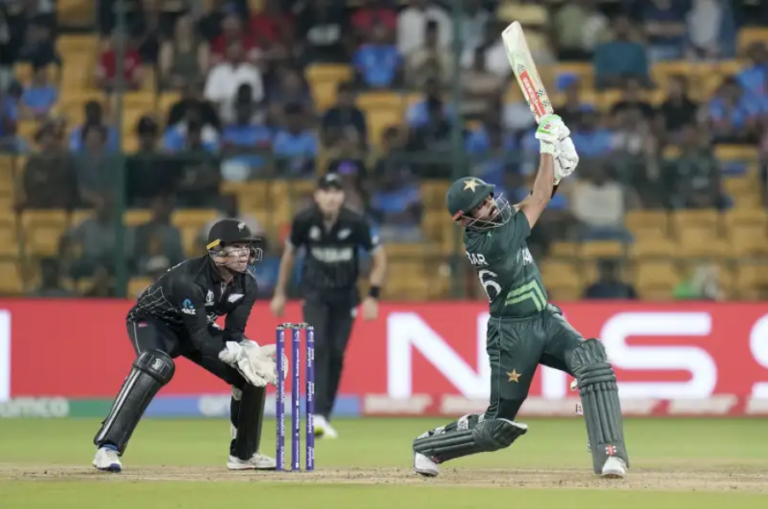
kistan land in England for three Tests that carry points, pressure and plenty of unanswered questions. The tour starts in Leeds on 19 August and finishes at Edgbaston on 13 September. Babar Azam leads the visitors, while Joe Root begins another major assignment at home. Conditions should favour England, but Pakistan have enough seam bowling to make every careless session expensive.
Cricket followers looking beyond the Test series can find additional sports and gaming material at Betwinner. For this tour, though, the main story is old-fashioned red-ball cricket: long spells, moving deliveries and batting mistakes that cannot be repaired in five overs.
Pakistan Tour of England 2026 Schedule
All three matches belong to the 2025–27 ICC World Test Championship. ECB, PCB and ICC calendars confirm the dates and venues, with play scheduled to begin at 11:00 a.m. UK time. The gaps between Tests should help both sides manage fast-bowler workloads and revise their XIs after seeing how the surfaces behave.
| Test | Dates | Venue | Main tactical question |
| 1st Test | 19–23 August 2026 | Headingley, Leeds | Can Pakistan survive the new ball? |
| 2nd Test | 27–31 August 2026 | Lord’s, London | Which attack uses movement better? |
| 3rd Test | 9–13 September 2026 | Edgbaston, Birmingham | Will cooler conditions favour seam? |
1st Test – Headingley, Leeds (19–23 August)
Headingley is not a friendly place for a touring top order that needs time to settle. Cloud cover can bring the slips into the game almost immediately. The slope, wind and changing light also make batting feel different from one session to the next. Pakistan’s opening pair do not need to race. Their first job is simpler: make England bowl second and third spells.
Leaving outside off stump will matter. So will taking singles whenever the field spreads. A poor first hour could leave Pakistan four wickets down before lunch. A disciplined first hour, however, may expose England’s attack to a long afternoon on its feet. That is the narrow line both teams will be working around.
2nd Test – Lord’s, London (27–31 August)
Lord’s often rewards bowlers who resist the temptation to search for a magic delivery. The surface and famous slope can create movement, but only when the line remains tight. Mohammad Abbas looks particularly well suited to this ground. He does not need express pace.
His danger comes from accuracy, late movement and the constant feeling that the batter must play. England will expect their top order to understand the venue better. Pakistan can cancel some of that advantage by keeping the scoreboard quiet. A batter who scores 25 from 70 balls may not look threatening, yet that kind of innings can change the shape of a Test at Lord’s.
3rd Test – Edgbaston, Birmingham (9–13 September)
The teams have a longer break before the final Test. Fast-bowler fitness will still be a concern because the match begins in the second week of September, when mornings are usually cooler. Edgbaston can be lively early and calmer later. The toss will attract attention, although neither captain should make the decision from the weather forecast alone.
A slightly damp surface may tempt the winner to bowl, but batting last can become awkward if footmarks and variable bounce appear. If the series reaches Birmingham at 1–1, tactics may tighten. Nobody wants to lose. Yet a draw may not provide enough World Test Championship value. That tension could produce the most aggressive cricket of the tour.
England vs Pakistan Head-to-Head in Test Cricket
England and Pakistan have completed 92 Tests against each other. England lead with 30 victories, Pakistan have 23, and 39 matches ended in draws. Pakistan’s last series win in England came in 1996; they later drew in 2001, 2016 and 2018. England took the 2020 home series 1–0.
Their previous meeting showed how fast the contest can flip. England won the 2024 opener in Multan by an innings, but Pakistan changed the conditions and took the next two Tests for a 2–1 series victory. No simple trend survived the month.
Readers comparing cricket analysis with instant-game explainers such as Chicken road game should keep the formats separate. A Test forecast depends on five-day variables: the toss, weather, workload, pitch deterioration and first-innings discipline.
Pakistan Squad for the England Tour 2026
PCB named Babar Azam captain of a 17-player group. Abdullah Fazal was later ruled out by a lower-back injury, and Abdullah Shafique replaced him. Saud Shakeel remains a key middle-order option, subject to fitness updates. The updated squad is:
- Babar Azam, Imam-ul-Haq, Abdullah Shafique, Azan Awais and Shan Masood.
- Saud Shakeel, Salman Ali Agha, Aamir Jamal and Ali Usman.
- Mohammad Rizwan and Muhammad Ghazi Ghori as wicketkeepers.
- Mohammad Abbas, Mohammad Ali, Khurram Shahzad, Ubaid Shah, Muhammad Awais Zafar and Sajid Khan.
This group relies more on variety than extreme speed. Abbas offers accuracy and late movement, Khurram attacks the stumps, and the younger quicks add energy. Sajid is the specialist spinner, though his role may depend heavily on the pitches.
England Squad and Home Advantage
England selected 16 players for the first two Tests. Joe Root leads the team, Jordan Cox is expected at No. 3 after Jacob Bethell’s knee injury, and Dan Lawrence has been lined up for No. 6. Ollie Pope, Sam Cook and Brydon Carse return. England’s squad includes:
- Joe Root, Ben Duckett, Emilio Gay, Jordan Cox, Harry Brook, Dan Lawrence, Ollie Pope and Jamie Smith.
- Jofra Archer, Gus Atkinson, Brydon Carse, Sam Cook, Matthew Fisher, Ollie Robinson and Josh Tongue.
- Shoaib Bashir as the frontline spinner.
Home advantage means familiarity with the Dukes ball, shifting light and sideways movement. The main concern is balance. Without a specialist seam-bowling all-rounder, Root may need Lawrence’s overs or accept a longer tail.
Key Players to Watch
Pakistan’s Match Winners
Pakistan need their senior players to take responsibility instead of waiting for one spectacular spell.
- Babar Azam must produce first-innings runs and avoid carrying captaincy pressure into his batting.
- Mohammad Abbas can make the new ball talk without wasting deliveries.
- Mohammad Rizwan brings urgency when an innings starts to stall.
- Saud Shakeel can absorb pressure and frustrate England’s seamers.
- Salman Ali Agha offers lower-order runs and a second spin option.
Abbas may be the most important player in the whole squad. If he removes Duckett or Cox early, Pakistan can bowl at Root before the ball loses its shine. If England reach 100/1, the attack may spend the afternoon chasing the game.
England’s Star Performers
England possess more pace depth, but their batting still runs through a few crucial names.
- Joe Root remains the wicket Pakistan will celebrate most.
- Harry Brook can turn an even session into a damaging one within an hour.
- Jofra Archer adds pace that Pakistan cannot easily reproduce in practice.
- Gus Atkinson attacks the stumps and rarely allows comfortable leaves.
- Ben Duckett can disrupt a good length by scoring square of the wicket.
Root’s captaincy will receive almost as much attention as his batting. England have several usable fast bowlers. Picking the right three or four for each ground is the harder part.
Pitch and Weather Conditions in England
August temperatures around Leeds often sit near 20–21°C during the day. London is usually a little warmer. Birmingham in September can feel noticeably cooler, particularly at the start of play.
For companies publishing match previews, betting pages or operator content, iGaming SEO Agency offers a specialised industry resource. Readers following the actual series should focus on the local forecast each morning rather than relying on a general monthly average. Conditions can change the match quickly:
- Cloud and humidity may increase swing.
- Sun can reduce movement and reward patient batters.
- Rain breaks can refresh the ball and disrupt rhythm.
- A dry final two days could bring Bashir or Sajid into the game.
The pitch and morning forecast should shape the final XI, not a venue’s reputation alone.
Series Predictions and What to Expect
England start as slight favourites because of home conditions, deeper pace options and Root’s venue knowledge. Pakistan still have a route into every Test. Their seam attack can compete through discipline, while their senior batters can occupy the crease long enough to expose England’s lack of a specialist all-rounder. Three outcomes stand out:
- England win 2–1 if their quicks stay fit and the top order supplies stable starts.
- A 1–1 draw becomes possible if rain removes substantial playing time.
- Pakistan win if Abbas dominates the new ball and two senior batters produce major first-innings scores.
The most likely prediction is England 2–1, but it should not be comfortable. Headingley gives Pakistan an early opening, Lord’s tests discipline, and Edgbaston could become a pressure match.
UK television coverage is expected on Sky Sports, with talkSPORT carrying radio and audio coverage. Rights vary by territory, so overseas viewers should check local listings close to the first Test. The ICC Match Centre remains the safest source for official scores and match information.