
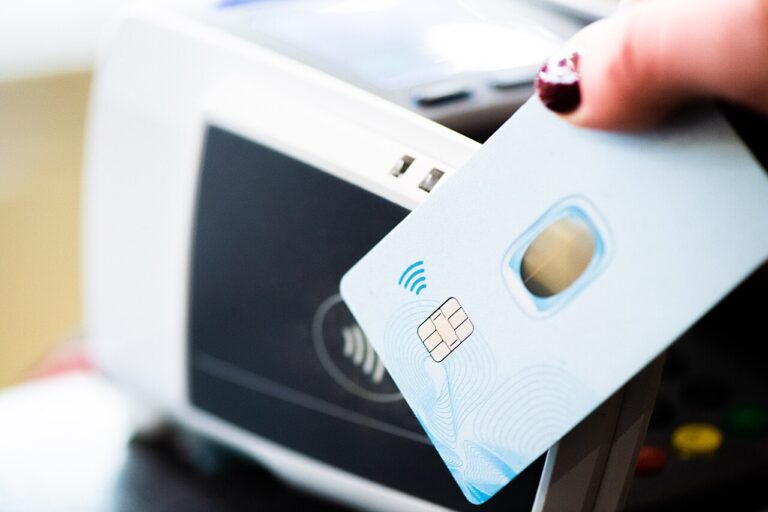
Walk into a Liverpool café in 2026 and pay by tapping your phone. Then try the same in a smaller UK city café. The gesture is identical, but the confidence of it happening first time varies more than most UK consumers realise.
Liverpool sits at the front of the UK’s contactless-payment adoption curve. Merseyside runs slightly ahead of the national average on card taps, mobile-wallet use, and the specific infrastructure that most retail transactions now depend on.
The pattern is worth stopping to notice. Liverpool card-tap habits are a decent predictor of where the broader UK payment landscape goes next.
What Liverpool’s Contactless Culture Actually Looks Like
The retail picture in Liverpool city centre now runs almost entirely on card and phone taps. Bold Street, Church Street, and the Liverpool ONE district have seen physical cash volumes fall consistently since the mid-2010s. Independent operators sit slightly behind the national retail average on contactless-only decisions but still well ahead of most smaller UK cities.
Public transport contactless has extended the pattern. Merseyrail and the Metrolink-style tap-to-pay systems on the Northern buses have brought the London-style rhythm to Merseyside commuting over the last few years. Similar rollouts elsewhere in the UK are running two or three years behind Liverpool’s timeline.
The national data supports the local picture. The Barclays UK Unlocked report on 2024 contactless spending put 94.6 percent of in-store card payments under £100 as contactless, a 1.2 percent increase on 2023. The average consumer made 236 contactless transactions in 2024, up from 231 the year before.
Cash still holds ground for larger purchases. Between 28 and 30 percent of consumers across every age group still prefer cash for bigger transactions, which suggests the shift to contactless is category-specific rather than complete. Merseyside follows that same split at roughly the same ratios.
How Apple Pay Has Extended the Category
Apple Pay and Google Pay account for the fastest-growing slice of UK contactless activity. UK Finance data recorded 57 percent of UK adults registered for a mobile wallet in 2024, up from 42 percent in 2023. 88 percent of 16-to-24-year-olds now use them regularly.
Younger Merseyside residents sit at or above the national average on that adoption metric. Liverpool’s demographic skew towards a large student and early-career population accelerates the mobile-wallet numbers ahead of the wider UK curve.
Category-specific rollout followed the general adoption. Fans have been using Apple Pay to deposit at UK gambling operators as a standard checkout option since the late 2010s. By the mid-2020s, most operators offered it as a top-tier deposit method alongside cards and pay-by-mobile.
The specific advantage of the mobile-wallet route sits in authentication. Face ID or Touch ID confirmation replaces the manual card-details entry, which reduces drop-off on any category where signup or first-purchase completion is the friction point.
The Stadium Contactless Shift
Anfield’s move to contactless-only concourse sales has become one of the most visible payment changes in Merseyside daily life. Cash bar and food outlets inside the stadium have gradually converted, and half-time transactions now clear on tap-and-go payment terminals as the default. Fans arriving without a working card or phone find themselves noticeably out of place.
Everton’s new stadium at Bramley-Moore Dock has been designed contactless-first from the ground up. The concourse retail model assumes tap payments as the primary flow, with cash options limited to specific manned counters. The design brief was explicitly modelled on the newer Wembley and Tottenham stadium payment layouts.
Matchday spending patterns in Liverpool now reflect the wider category shift. Pre-match pubs on County Road and around the Kop have moved to contactless-first sales. The post-match retail pattern around Anfield and Bramley-Moore matches the tap-first rhythm the concourses have set.
Categories Where Contactless Adoption Is Deepest in Merseyside
The specific pattern of where contactless has effectively replaced other payment methods in Merseyside is worth laying out clearly:
|
Category |
Merseyside contactless dominance |
National comparator |
|
City-centre retail |
Near-universal below £100 threshold |
94.6 percent nationally per Barclays 2024 data |
|
Public transport |
Contactless standard across most routes |
Rolling out unevenly across other UK regions |
|
Stadium concourses |
Contactless-only at Anfield and Bramley-Moore |
Similar shift at Tottenham and Wembley, uneven elsewhere |
|
Food and drink hospitality |
Tap-first at most independents |
Ahead of most smaller UK cities on independent uptake |
|
Mobile-wallet gambling deposits |
Apple Pay and Google Pay routine options |
57 percent of UK adults now registered for a mobile wallet |
|
Professional services |
Card and mobile-wallet standard for smaller invoices |
Direct debit and BACS dominant for larger |
The table simplifies. Category-by-category variation exists at neighbourhood level within Merseyside itself, with contactless adoption higher in the city centre and lower in some outer boroughs. But the overall picture is one of Liverpool sitting notably ahead of similar-sized UK cities on payment method transition.
What This Tells Us About the Wider UK Payment Landscape
Liverpool tends to run two or three years ahead of comparable UK cities on payment adoption. The specific reasons include the city’s demographic skew and the density of the city-centre retail estate. The visible stadium and transport contactless rollouts also normalise the behaviour across all age groups.
What Merseyside is doing now is a decent indicator of what will feel normal in Cardiff, Leeds, Nottingham, and comparable cities within two to three years. The direction of travel is set. The only question is the pace at which each region reaches full contactless normalisation.
Cash will not disappear on the UK timeline that some payment industry forecasts have suggested. But the specific mix of card, mobile wallet, and cash is shifting steadily. Liverpool is one of the clearest UK indicators of where that mix is heading.
The next time you tap your phone at a Bold Street coffee shop or a matchday concourse, the transaction is not just paying for a coffee or a pint. It is part of a national shift. Merseyside has been leading that shift more visibly than most other UK regions.