
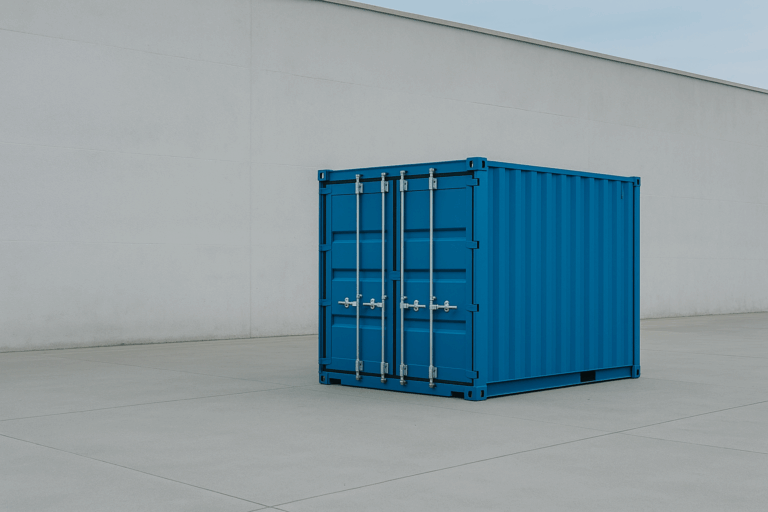
Shipping containers are being creatively repurposed to meet various urban needs, offering sustainable and versatile solutions for modern city challenges.
Shipping containers, once solely used for transporting goods across oceans, are now being repurposed in innovative ways to meet the demands of urban environments. These robust structures offer a sustainable and cost-effective alternative to traditional building methods, providing flexible solutions for a variety of applications. From pop-up shops to community centers, shipping containers are transforming how we think about urban development. In Liverpool, for example, the use of storage containers liverpool has become a popular choice for urban planners seeking efficient and adaptable solutions.
Versatile applications of shipping containers
One of the most appealing aspects of shipping containers is their versatility. Their modular design allows for easy stacking and customization, making them suitable for a wide range of uses. For instance, they can be converted into trendy cafes, compact offices, or even cozy homes. This adaptability makes them an attractive option for entrepreneurs and developers looking to create unique spaces without the high costs associated with conventional construction.
Shipping containers are also being transformed into innovative gyms and restaurants, offering urban dwellers unique experiences. Container gyms provide a compact, mobile solution for fitness enthusiasts, often featuring open-air designs that blend seamlessly with the surrounding environment. Similarly, container restaurants offer a trendy, industrial aesthetic that attracts food lovers seeking novel dining experiences. These uses highlight the potential of containers to redefine urban leisure and lifestyle spaces.
Sustainability and eco-friendly benefits
Repurposing shipping containers aligns with global sustainability goals by minimizing waste and reducing the carbon footprint of new construction. By utilizing existing materials, developers can create eco-friendly buildings that contribute to a more sustainable urban landscape. This approach not only conserves resources but also supports the growing trend of green building practices.
Moreover, shipping container projects often incorporate additional sustainable features, such as solar panels or green roofs, further enhancing their environmental benefits. These innovations not only reduce energy consumption but also improve the overall aesthetic of urban areas, making them more appealing to residents and visitors alike.
Impact on urban development
The use of shipping containers in urban development is reshaping city landscapes by providing affordable and innovative solutions to common challenges. They offer a practical way to revitalize underutilized spaces, turning them into vibrant community hubs or commercial areas. This transformation can attract foot traffic and stimulate local economies, benefiting both businesses and residents.
As more cities embrace the potential of shipping container architecture, we are likely to see an increase in creative projects that prioritize sustainability and adaptability. These developments not only address immediate urban needs but also pave the way for a more resilient and dynamic future. By harnessing the potential of shipping containers, urban planners can create spaces that are both functional and inspiring, contributing to the overall well-being of communities.