
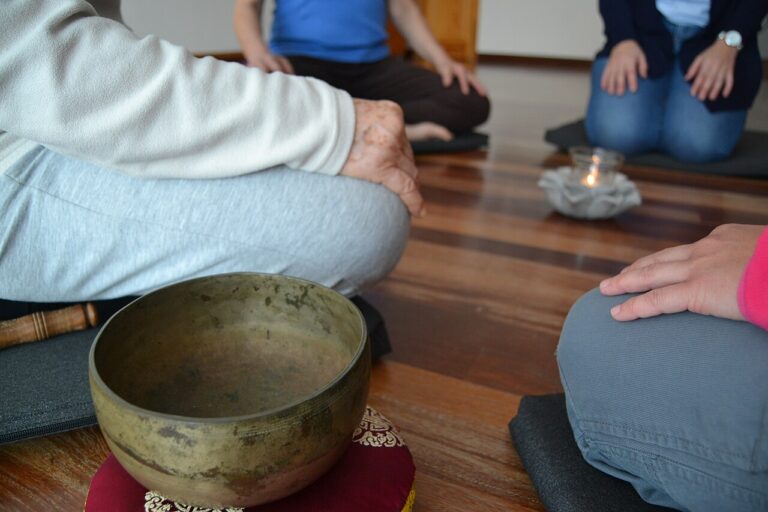
Mindfulness has never been more relevant. With the pace of modern life showing no signs of slowing, more and more people are looking for ways to switch off and find some calm.
If you’re passionate about helping others discover these benefits, opening a meditation studio can be a deeply rewarding venture. But passion alone isn’t enough for success.
Getting the details right from the start will give you the confidence to grow your business while offering clients a place they can trust and return to.
Choose the right location
Location can make or break your studio. Too much outside noise and your clients will struggle to focus. Too remote and you risk making it hard for people to get to you. A balance of tranquility and accessibility is key.
Visit potential locations at different times of the day to check for noise levels. If you’re looking at shared buildings, consider whether nearby businesses might be disruptive. A ground-floor space might be easier for clients with mobility issues but it could also mean more background noise, so consider whether soundproofing will be necessary.
Take out appropriate cover
Meditation is a low-impact activity but that doesn’t mean things can’t go wrong. Checking you have a suitable level of well-being business insurance will protect both you and your clients. With appropriate cover in place, you can focus on running your studio without worrying about financial or legal headaches.
If you offer one-to-one coaching or guided mindfulness, it’s also worth considering professional indemnity insurance, which protects you in case a client claims your advice has caused them harm.
Some landlords will even require certain types of insurance before you sign a lease, so check the details early.
Invest in your skills
Loving meditation and teaching it effectively are two different things. If you haven’t already, completing training courses recognised by the British Association of Mindfulness-based Approaches will give you the knowledge and confidence to guide others safely. Even if you have years of personal practice, structured training will help you refine your approach and build engaging, well-paced sessions.
It’s also worth considering a first-aid course. While meditation is gentle, people can still feel faint or lightheaded, particularly in breathwork sessions. Knowing how to respond will make your clients feel safe in your care.
When you lay the foundations of your studio properly, you can build a community where people can truly switch off and reconnect with themselves.