
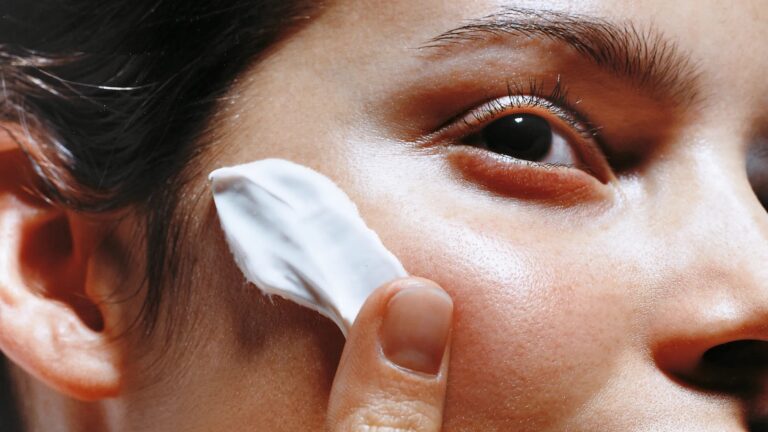
In recent years, there’s been a surge of interest in beauty routines and products, with the global skincare market expected to reach more than £200 billion by 2025.
Although many people think the secret to healthy skin lies in using popular cosmetic products like pimple patches, our daily habits might be where we have the biggest potential for impact.
Below, we explore three key lifestyle areas where small adjustments can lead to noticeable improvements in your skin’s appearance.
- Prioritising sleep
Getting enough quality sleep is crucial for different aspects of your appearance, including your skin condition. Our bodies go into repair mode when we’re asleep, regenerating cells and producing collagen, which helps maintain elasticity and firmness.
Some people underestimate the importance of a good night’s rest, believing they can function on less than the recommended 7-9 hours per night. However, chronic sleep deprivation can lead to increased inflammation, accelerated ageing and a compromised skin barrier.
If you don’t have the option of spending more time sleeping, you can improve the quality of your sleep by establishing a consistent bedtime routine and creating the right environment.
For instance, avoiding screens for an hour before bed and keeping your bedroom cool and dark can help you feel significantly better rested.
- Staying hydrated
Proper hydration is essential for maintaining glowing skin. Water flushes toxins from the body, delivers nutrients to cells and keeps the skin plump and supple.
Many people believe that drinking any liquid contributes to hydration. But coffee, tea, sugary drinks and alcohol can actually have a dehydrating effect on the body and skin.
Try keeping a reusable water bottle with you throughout the day and setting reminders to drink regularly. Aim for at least 8 glasses of water a day, and you’ll likely notice improvements in your skin’s texture and overall wellness.
Don’t make the mistake of assuming you’re adequately hydrated because you don’t feel thirsty. Thirst is often a late sign of dehydration. By the time you feel thirsty, your body is already experiencing the effects of mild dehydration.
- Eating a balanced diet
There’s a common misconception that cosmetic products alone can provide all the nutrients our skin needs. Yet even though topical treatments are beneficial, they can’t replace the importance of a balanced diet.
Foods high in antioxidants, omega-3 fatty acids, and vitamins A, C and E protect the skin from damage and promote cell turnover.
If you think eating a cleaner diet is too time-consuming or expensive, try making simple swaps like incorporating more colourful fruits and vegetables into your meals.
For example, adding berries to your breakfast or snacking on nuts instead of processed foods is an easy way to increase the amount of essential nutrients you get.
It’s worth noting that while these lifestyle changes can significantly improve your skin health, they’re not a cure-all. It’s always best to consult a dermatologist for help with managing persistent issues.