
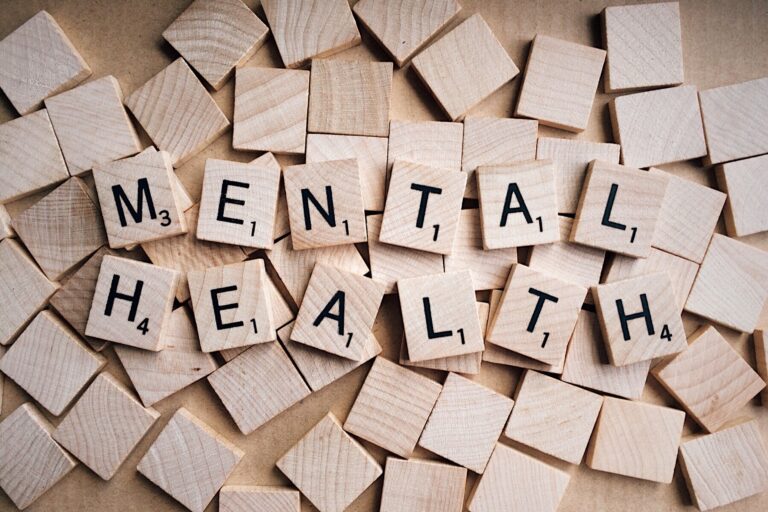
The realm of mental health has often been a taboo subject, especially among men. Stigmatised by societal norms and self-imposed barriers, the topic tends to get overshadowed by a focus on physical well-being. Yet, mental health holds the key to living a balanced life, influencing everything from professional success to personal happiness. The challenge lies in shattering these cultural taboos and equipping men with the necessary resources to take charge of their mental health.
Recognising the Importance of Mental Health
The first step towards fostering mental health is recognising its importance. Mental health is not merely the absence of illness but includes your emotional well-being, your ability to cope with life’s challenges, and how you deal with stress or relationship issues. Viewing mental health as a priority rather than an optional aspect of overall health is crucial.
Recognition isn’t just a personal matter; it’s societal. The more society values mental well-being, the easier it will become for men to seek help and support. Mental health initiatives should be as commonplace as initiatives focusing on physical health. Early education in schools about emotional intelligence and stress management can equip future generations to better handle the stresses that life throws their way.
Seeking Professional Help
The apprehension surrounding professional mental health support among men is palpable. This fear is often rooted in societal definitions of masculinity, which equate emotional struggles with weakness. Changing this narrative is imperative for progressing towards a healthier society.
Professional help is not a sign of defeat; it’s a step towards victory. Therapists and psychologists offer tools and perspectives that one might not have considered. Sometimes, even one session can offer invaluable insights into your mental landscape, equipping you with strategies to manage stress, anxiety, or any other challenges you might be facing.
Talk About It
Communicating openly about emotional challenges should never be viewed as unmanly or weak. Creating safe spaces for these discussions is essential, be it within families, friend circles, or workplaces. Verbalising emotions can serve as a therapeutic exercise, offering relief and fostering a culture of openness.
Conversations around mental well-being need to become mainstream. Public figures, role models, and influencers should leverage their platforms to normalise these discussions. Social media can play a significant role here; instead of serving as a stage for idealised lives, it can become a platform for genuine, human stories, reducing stigma and encouraging a more open dialogue around mental health.
A Balanced Diet and Exercise
Physical well-being is intricately linked to mental health. A balanced diet, rich in essential nutrients like Omega-3 fatty acids, vitamins, and minerals, can significantly impact your mood and energy levels. Proper nutrition is a cornerstone for mental resilience, equipping your body with the fuel it needs to face life’s challenges.
On the flip side, regular physical activity has far-reaching implications for mental health. Exercise triggers the release of endorphins, which serve as natural mood lifters. If you’re looking to complement your lifestyle changes, you can browse treatments online such as Viagra for men, available through trustworthy sources like The Independent Pharmacy, to enhance your sexual well-being.
The Role of Social Connections
Humans are social creatures, and loneliness can be a severe detriment to mental well-being. The effects can range from mild bouts of depression and anxiety to more serious mental health conditions. Building a network of supportive relationships offers a buffer against mental health struggles, providing both emotional and practical benefits.
Engaging in social activities that bring joy and satisfaction can also serve as an excellent preventive strategy against mental health challenges. Whether it’s taking up a group sport, volunteering, or simply catching up with friends and family, investing time in forming and maintaining these connections can provide invaluable emotional support and enrich your life in numerous ways.
Setting Boundaries
Knowing when to say ‘no’ is a valuable skill in preserving one’s mental space. The freedom to set boundaries enables you to prioritise your well-being and invest time and energy where it truly matters. It’s a vital part of maintaining mental health, contributing to stress management and overall happiness.
Boundaries aren’t just physical; they are also emotional and mental. Identifying your limits helps in safeguarding your mental landscape. Whether it’s distancing yourself from toxic relationships, declining extra workload, or simply taking out time for yourself, setting boundaries is a proactive way of promoting your mental health.
Pursuing Hobbies and Interests
Hobbies and interests offer more than just an escape from the daily grind; they provide a platform for self-expression, creativity, and mental relaxation. The act of creating something, be it a piece of art, a tune, or even a well-cooked meal, can be incredibly fulfilling.
When life becomes a cycle of work, eat, sleep, repeat, hobbies offer a welcome deviation, enhancing mental well-being. The sense of accomplishment derived from a hobby is not just a boost for your self-esteem but also a critical component of a balanced, fulfilling life.
Acknowledging Vulnerabilities
No one is invincible, and acknowledging that fact is not a sign of weakness but one of maturity and self-awareness. Understanding your vulnerabilities equips you with the insights needed to address them, be it through professional help, lifestyle changes, or simply by adopting coping mechanisms. Being open about your vulnerabilities fosters a culture of acceptance and support.