
Liverpool is a city that’s famous for many things. It was a key connection between the United Kingdom and the Americas during the 18th, 19th, and early 20th centuries. It was also a popular port for shipping goods into Great Britain from the British Empire and the rest of the world. Today, Liverpool’s old port buildings have been repurposed into offices, bars, restaurants, and museums, helping them to continue to support the city’s economy and community. In recognition of the waterfront’s historical significance, the area has held UNESCO World Heritage Site status since 2004.
Its famous ferry has been immortalised in song, its two-car tunnels are frequently used to film Hollywood blockbusters, and its Cavern Club bar is known worldwide for being the birthplace of The Beatles.
Liverpool is also a major sporting city in the UK. It’s home to two of the oldest football clubs in England, Liverpool FC and Everton, with 25 first-tier league titles between. The city is also home to Britain’s most famous horse race, the Grand National, a National Hunt event that takes place each spring.
While almost every horse race can be watched live on TV in the UK, none come close to matching the number of viewers that the Grand National attracts. In 2021, the race attracted a peak of 8.8 million viewers, accounting for 31.8% of all people tuned into a TV channel at the time. Many more also listened in on the radio, with coverage by the BBC and dedicated sports stations.
The Grand National is not just the most-watched horse race in the UK either. It’s also the one that attracts the most wagers, both in quantity and value. Of course, there are the experienced bettors that use the techniques that they’ve developed while wagering on games like poker to give them an edge. But there are also many many more that will have a flutter on the Grand National that won’t bet on any other sporting event during the year. For them, it’s more about tradition than it is about horse racing in particular.
But what makes the Grand National so special compared to other events?
History
The Grand National was first held in 1839, meaning the race is steeped in history. Events of this age carry a lot of prestige, with trainers and jockeys wanting to get their names written into the history books, creating a lot of demand for an entry into the race.
Other similarly-aged events in other countries, including the Kentucky Derby in the United States and the Melbourne Cup in Australia, have a similar level of prestige, driven in part by their age.
Although its age is important, the Grand National is by no means the oldest race in the UK though. That title belongs to the Kiplingcotes Derby which began way back in 1519 and celebrated its 500th anniversary in 2019.
Size of the Field
The Gold Cup Chase is the headline event at the Cheltenham Festival; in 2021, it had 12 entrants. At Royal Ascot, the number of runners rarely goes much higher than 20 and averages closer to 15 horses in each race.
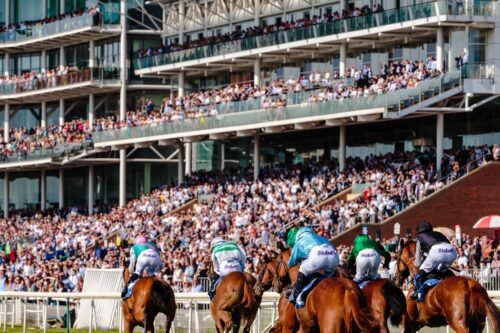
The Grand National is very different. Each year, up to 40 horses take part, though many more attempt to gain an entry.
This adds a lot of extra variables into the mix, with rank outsiders able to come up through the field and capitalise on a poor performance from a favourite. This makes the racing less predictable and much more exciting.
The Racecourse
Aintree Racecourse, the track that hosts the Grand National each year, is itself steeped in history. It opened its doors back in 1829 and had the famous fences installed very shortly afterwards. These fences, with names like “the Chair”, “Becher’s Brook” and “Canal Turn” have become household names in themselves. To stand out from other events, they are also covered with spruce branches.
It is widely considered to be the most difficult racecourse in National Hunt racing due to the size, layout, and the fact that the fences have a drop on the reverse that’s lower than the side the horses jump from.