
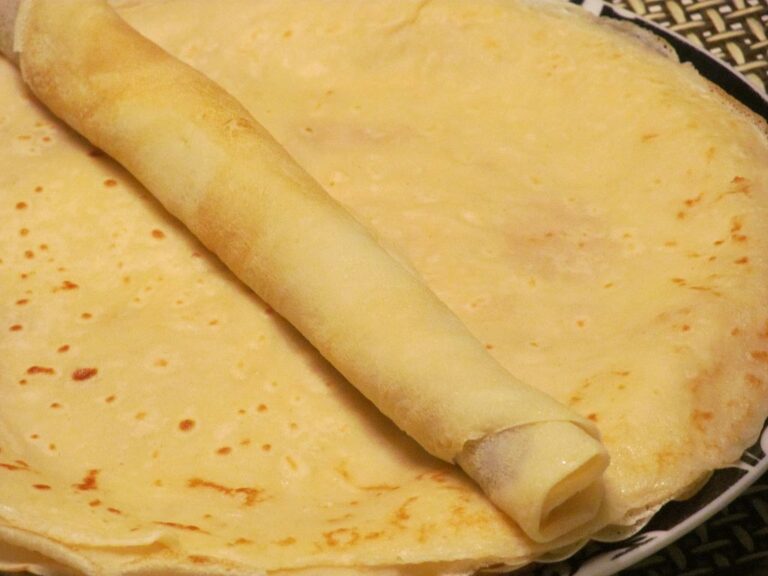
This year, Shrove Tuesday (or Pancake Day, as it’s often known) falls on February 16th. It’s a festival whose origins lie with Christianity, serving to mark the end of Shrovetide and the start of Lent on Ash Wednesday. Whilst it’s mostly known for pancakes today, this is a festival with a long and interesting history. Let’s take a look at what it’s all about.
What’s a Shrove?
The term ‘shrove’ is derived from the term ‘shrive’, which refers to absolution offered by a priest. Traditionally, a bell would be rung to draw people to confession, forty-seven days before Easter Sunday. This makes the festival a ‘moveable feast’, as it’s on a different day every year. Christians would use the occasion to seek absolution before they started cutting back during Lent.
What do Pancakes have to do with it?
Back in the days before food was industrialised and available everywhere, households would keep stocks of fatty foods available. Eggs and butter were luxury items that would spoil if they weren’t used – and so households would rush to find a way to use them before Lent kicked in. The easiest way to do this was with the help of the humble pancake. Everyone therefore got the chance to enjoy a serving of pancake before the period of thrift.
Of course, nowadays the economic factors that gave rise to this tradition aren’t there anymore – but we still observe it. In fact, we might go out of our way to buy extra flour, eggs and butter just so that we can observe it. Pancake day truly is a tradition all on its own!
What about Pancake Races?
That explains why we eat pancakes. But what about pancake races? Why do groups of people get together to toss pancakes while running toward a finish line? The most popular version of the story starts in Olney, where a world-famous pancake race is now held. In 1445, a woman heard the shriving bell, and rushed to church to receive her absolution – but she didn’t stop flipping her pancakes while she was doing it. Consider that back in those days, most pans were made from cast-iron, in contrast with the lightweight non-stick pans we enjoy today, and the feat becomes even more impressive.
Types of Pancake
In Britain, Pancakes tend to be thin and flappable. In the US, however, they’ve taken another route, incorporating a raising agent. This might be either baking powder or whipped egg-white, but it results in a fluffier texture that doesn’t fold quite so easily. There are versions of the humble pancake to be found around the world. The crêpe formula is found varied across western Europe, and in South America, too. The Japanese Okonomiyaki is incredibly varied, by comparison, incorporating cabbage, meat, dashi, and wheat-flour.