
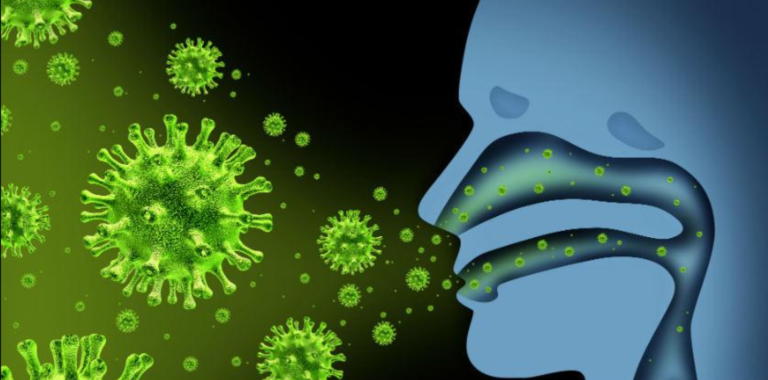
The COVID-19 virus continues to wreak havoc on countries around the world. While there is some promise of an effective and safe vaccine on the horizon, it is still going to take time and a huge amount of effort to distribute. This means that we still face several more months or years living with the virus.
One thing is for sure, at this present time, we are unable to stop the spread of COVID-19, due to a number of reasons. One of the main reasons for this is because many people who have the virus are asymptomatic. Individuals who are asymptomatic have no symptoms. This means that they are unaware that they have the virus so continue to go about their normal business unknowingly passing it on to other people.
COVID-19 can affect people in different ways. While some people can be asymptomatic, others can become seriously ill. Research has shown that there are a number of risk factors that could increase your chances of becoming seriously ill or dying from COVID. Keep reading below to find out if you have any of the risk factors:
1. Age
Although coronavirus can affect anyone of any age, older adults are more likely to get seriously ill from it. Scientists have found that the average age of people dying from COVID is 65.8 years.
Many professionals believe that our immune system plays a part in this. As we get older, our immune system weakens, meaning we are no longer able to fight serious infections like we once could. As our body is unable to fight off these serious infections, secondary infections like pneumonia are likely to develop.
2. Weight
Individuals who are overweight or obese fall into the high-risk category for COVID-19. Not only does being overweight weaken the body’s immune system, meaning it is unable to fight off viruses, but being overweight can also limit the amount of oxygen within our bodies. This is because a person’s diaphragm and lungs are unable to expand fully in people who have excess weight.
Doctors and scientists have found that people who have a BMI of 40 or above are much more likely to suffer from complications if they catch the virus. Their research also shows that over 60% of all patients who were admitted to the intensive care unit with Coronavirus were overweight or obese.
Thankfully, this is a risk factor that we can do something about. While we cannot change our age, or our gender, we are able to make sure we are a healthy weight. To do this we need to make sure we exercise on a regular basis, eat healthy meals and drink lots of water. If you are severely overweight, then now might be the time to consider rapid weight loss options. Shake That Weight is a safe, rapid weight loss method which could help you lose weight quickly. They have a range of products including snacks and shakes that will help you on your weight loss journey.
3. Gender
Research has shown that coronavirus is more likely to cause serious illness or death in men than it is women. In actual fact, over 62% of people under 85 in the UK who have died from COVID were male.
Many scientists and doctors believe that there are a number of reasons why COVID is more likely to affect men than women. Here are some examples:
- Handwashing – We have been told for many years now that hand washing is one of the best ways to prevent infections like COVID-19 and influenza, but numerous studies show that men are much less likely to wash their hands than women.
- They do not think they will catch it – most men are under the impression that because they are fit and healthy individuals, they will not catch or become unwell from COVID-19. This means that they continue their normal daily lives. Women, on the other hand, are much more fearful of the virus. They are much more likely to follow the coronavirus rules that are put in place.
- Smoking – more men in the UK smoke than women. Smoking can increase your chances of becoming ill with COVID-19.
- Illness – men are much more likely to suffer from conditions like type 2 diabetes, high blood pressure and chronic obstructive pulmonary disease than women. All of these things can increase your risk of dying from COVID.
- Oestrogen plays a role – some experts now believe that oestrogen (the female sex hormone) also plays a part in protecting women from the virus.
4. Individuals with Certain Underlying Medical Conditions
Evidence has suggested that the majority of individuals who were seriously ill or died from COVID-19 had an underlying health condition such as diabetes or a heart condition. In fact, a recent study suggested that having just one underlying health condition could increase your chances of mortality by 80%. And, if you have two or more pre-existing medical conditions, your chances of being admitted to intensive care are even greater.
Adults of any age who have one of the following underlying conditions are at an increased risk of becoming seriously ill with COVID-19:
- Cancer
- COPD
- Chronic kidney disease
- Heart conditions
- Sickle cell disease
- Type 2 diabetes
There are also a number of other conditions that could increase your risk of dying from COVID-19. These include:
- Liver disease
- Cystic fibrosis
- Asthma
- Type 1 diabetes
- High blood pressure
- Neurological conditions, e.g., Alzheimer’s or dementia
Those who are immunocompromised or pregnant are also at risk.
5. Low White Blood Cells
White blood cells help us to fight off infections, so they are extremely important in the fight against the COVID-19 virus. Doctors believe that people who have a low white blood cell count are at an increased risk of dying from this disease. In fact, evidence has shown that over 81% of people who died from the virus had low white blood cell counts when they were admitted to intensive care.
While there is still a lot of research that needs to be done in order to slow and prevent the spread of the disease, scientists, and doctors all around the world have come a long way in the last few months. In December 2019, truly little was known about this deadly virus. Since then, scientists have found out lots of useful information about how this virus behaves, how it is spread, who is most at risk and how to overcome it in the future.
COVID-19 can affect anyone, and this virus can cause symptoms varying from mild to extremely serious. Similar to other respiratory conditions, like influenza, some individuals may have a more serious illness than others because they have medical conditions or other factors that increase their risk.
However, it is important to remember that the risk factors we have outlined above may not be the only risk factors that could increase your chances of becoming seriously unwell with this virus. The coronavirus is still a relatively new virus and we are still learning about it. Not only that, but the virus may also mutate over time, so we need to make sure we continue to learn about how it is acting and evolving.
Although everyone needs to follow the rules set out by governments and leaders around the world, people who are in the above high-risk categories need to be extra careful in order to avoid ending up in intensive care. Remember to wear PPE such as face masks, stay at least two metres apart from individuals who are not in your household, and wash your hands on a regular basis. All of these things can help to keep you and your loved ones safe.