
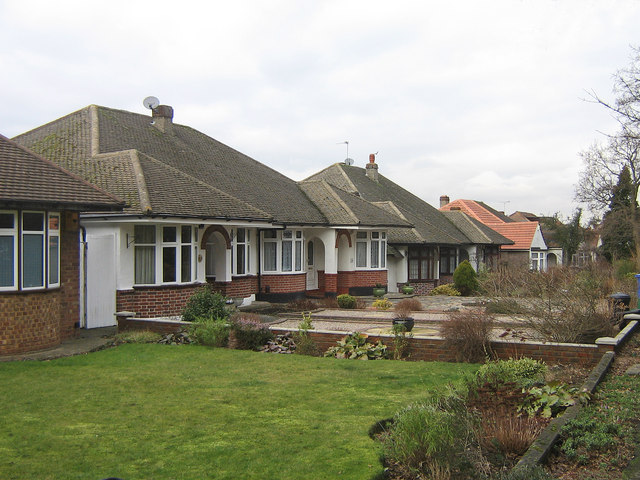
There are an estimated 2,000,000 bungalows in Britain. The first examples were built in the 19th Century and designed by English architect John Taylor. Like many innovations in the United Kingdom of the Victorian era, it is thought that Taylor may have sought inspiration from India in his design – the name ‘bungalow’ stems from the word ‘Bengali’. Since then, bungalows have come to represent a polarising set of ideals: aspiration and retirement, independence, and constraint.
In the current climate of lockdowns and self-isolation, however, many families have learnt the hard way that they could do with a little extra space in their houses. Families living in bungalows might have felt especially trapped in, with limited room for privacy. So the question is, how do you expand on the space you have when you don’t want to move? The answer lies in a loft conversion. This article will take you through the steps of creating your new space.
Call in the Experts
Unless you happen to be a qualified roofer, builder, and surveyor, calling in loft conversion specialists should be your first step. Groups like Touchstones that specialise in loft conversions will make an appointment to discuss realistic possibilities for adding more space to your house before going ahead with any plans.
In the majority of cases, this will allow you to build up an idea of your necessary budget and enable you to shop around for the best contractors to do the job. One of the great things about bungalows is that they have ample roof space, so there are lots of different options for conversions.
Consider the Legality of a Conversion
The UK has some of the strictest planning permission regulations in the world, with local governments utilising heritage assessments and aesthetic guidelines to draw up building codes. The good news is that bungalows can often undergo loft conversions under permitted development rights: meaning that you won’t have to go through a long process before making arrangements. This is not the entire story, though. Some bungalows are listed or in areas where more rigorous planning guidelines apply. Never rush in before checking out the legality of your plans.
Save Some Stress – Leave the House
Loft conversions might not seem very intrusive once they are finished, but a huge amount of work goes into a properly undertaken conversion. The steps a competent company will take to complete a dormer loft conversion on a regular sized bungalow involve:
- Inspection
- Planning
- Clearance of the loft space
- Rewiring assessment
- New floor joists fitted to strengthen the structure
- New insulation fitted
- Floorboards laid
- Rafters reinforced
- Dormer installation
- Rooflights installed
- Staircase fitted
- Tiling fitted
- Further insulation of the dormer
- Partition walls erected
- Rewiring
- Plastering
- Decorating
As you can see, it isn’t as simple as just slapping an extra room onto the house! All of this work can be disruptive to your family life – which is probably counter to why you wanted a loft conversion in the first place. It is always helpful if you can take your family away for a staycation, or a stay with relatives while this is going on. That way, you can get on with your lives, and the contractors can get on with the job.