
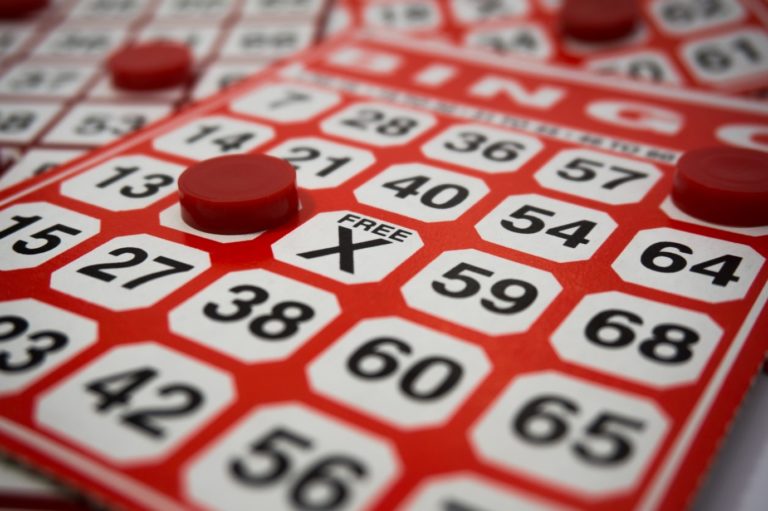
Many consider that the home of bingo lies in the North of England – Liverpool has been central to the game’s success.
The city is fun and vibrant and while its music scene often dominates the entertainment schedules, a night at the bingo hall has played a part in what has made Liverpool a great night out for many years.
With the rise in popularity of online bingo, it might be expected that premises around the UK might not be quite as busy. But does that necessarily mean that enjoying a game of bingo in Liverpool is a thing of the past? Let’s take a look.
A brief history of bingo
Tracing back to the 1920s, the game of bingo began in America. The game quickly grew and made its way across the Atlantic. In the 1960s, when rules on gambling began to relax in the 1960s, the first bingo halls opened their doors in the UK.
Some now-familiar bingo brands started to build their presence as bricks and mortar gaming halls and bingo enjoyed a boom period that lasted through the 1970s and 1980s. In the early days of online play, the physical halls stood firm – at least initially, when they were still able to compete with the prizes on offer from digital operators.
But following wave after wave of advances in digital technology, online bingo operators really upped their game – with more engaging graphics and increasingly convenient ways of playing. The decline in bingo halls can be traced to the middle of the 2000s as the benefits in online play started to increase. Subsequently, in 2013, it was reported that there were just 400 bingo halls remaining in the UK, around half the number of establishments when the game was at its peak.
The decline of bingo halls in Liverpool and across the UK
Many of the biggest operators in the industry have a strong presence in Liverpool and among those that are highly rated by visitors is Embassy Bingo out in Wallasey. It’s easy to travel in and around Liverpool and there is always a hall within easy reach of the local public transport system.
Liverpool, like all major cities in the UK, has reflected the decline in bingo halls out in the physical world. While the game has remained hugely popular across Merseyside, the physical establishments, first started to run into trouble in the mid-1990s when the National Lottery was introduced and suddenly, there was a more lucrative cash jackpot in town.
From 1995 to 2000, 21% of UK bingo halls were forced to close their doors and that initial reaction was multiplied by that steep decline from 2005 onwards. It’s simple to log on and open an account before playing bingo online, but is simple inertia the main reason why people are heading out of the halls and staying in the comfort of their own homes?
The rise of online bingo
It was in the 1990s when the first gambling operators began to migrate to the online world, and as such created extra seating space within many bingo halls. The birth of the internet saw slow growth at first with some companies seemingly reluctant to take the step but in the modern day, but is now a go-to for shopping, browsing and gambling alike. According to the Gambling Commission, online gambling is now the largest single gambling sector.
There are a number of reasons why an online bingo provider can outscore those in the physical world and the most obvious of these relates to a matter of choice. A bricks and mortar hall will always be restricted by the space that a building provides – not only to the limit the amount of players, they are also limited to the amount of games the can be played within a week.
Online bingo operators can effectively take an unlimited number of players, offer a far more extensive range of bingo games that are available 24/7. It’s hard for any bingo hall to compete, but with such great accessibility, it’s easy to see why people enjoy playing bingo games online.
The social side of bingo is as much an attraction as the potential to win big prizes when the players complete their card. This is an element where bricks and mortar establishments may have initially had the edge over online equivalents that were initially devoid of human contact. However, at many online bingo operators today you’ll find lively and engaging community forums where you can interact with other players.
The best of both worlds
When bingo halls enjoyed their heyday in the 1970s and 1980s, it was possible for operators to introduce jackpots that multiplied across their networks. Bigger cash prizes were up for grabs but in the present day, those halls simply can’t compete with the sums put up by popular online providers.
Added in to the overall mix is the convenience of online play and the ease in which players can find a preferred operator and set up an account. Faced with all these challenges, it’s easy to see just why so many bricks and mortar establishments have closed their doors.
However, another way of seeing this situation is that there’s more choice than ever for bingo enthusiasts. Whether they want to play a game on their mobiles at an engaging online operator, or visit a land-based bingo hall on a weekend with a group of friends – both opportunities are open to them. And they don’t just have to choose one or the other, either, with many players taking advantage of the choice on offer to play on both platforms. You could also argue that the competition from online bingo has forced land-based venues to raise their games and make it feel like more an event to visit bingo halls.
Digital is perhaps not the entire future of gambling – it’s just part of it. There’s every chance that bingo fans in Liverpool will be able to play in traditional bingo halls for many years to come, or have a flutter online if they like.