
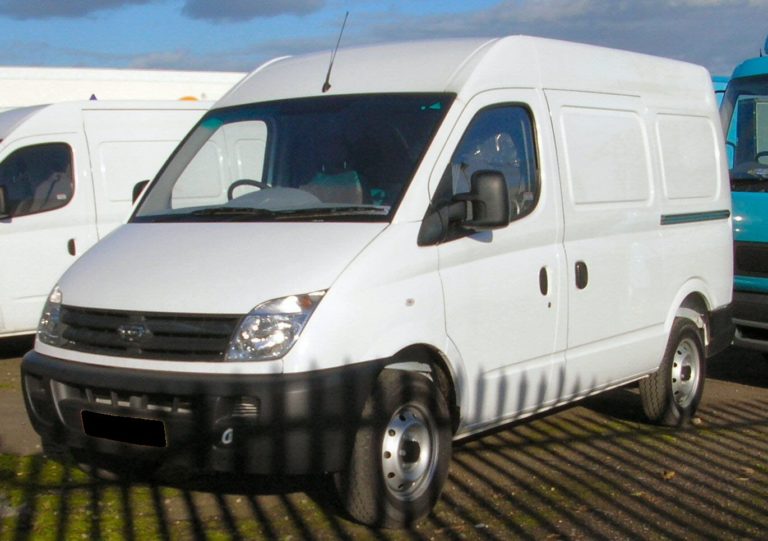
Every tradesperson needs the best tools and equipment to deliver the best possible service, and a reliable and professional-looking van with minimal running costs is often hugely important.
When buying your first commercial van, you are likely to face lots of decisions which could be confusing if you don’t know what you’re looking for. You need to be sure what it is that your van needs to be able to provide in terms of storage space and technology, but also that it will be affordable in the long term. In the short term, you may want to consider hiring a van, you could check out these Spain moving companies.
To help you make the right choice for your business, here is a guide outlining the key factors to consider when buying your first commercial van.
Choosing a Reliable Van
One of the most important considerations when choosing a commercial van is whether or not it is going to be reliable. The last thing you want is the hassle and expense of a van which breaks down regularly, especially when it prevents you from being able to provide your service and damages your reputation.
There are several van makes and models which are renowned for reliability such as Ford Transit, Ford Transit Custom, Mercedes Benz Sprinter, Vauxhall Movano, Peugeot Partner, Volkswagen Caddy and Mercedes-Benz Vito. Whichever van you choose, the key to ensuring your van is as reliable as possible, and to keep running costs low, is to get it serviced on a regular basis and carry out essential van maintenance.
Key Features to Compare
The driving performance and power will also be important, especially if you plan to drive it over long distances, in areas with steep hills or even mountainous and rocky terrain. You may also need to consider towing capabilities and maximum payload as vehicles vary in terms of how much weight they can carry safely and legally. There are some common abbreviations and terms used which you might come across such as: Maximum Authorised Mass (MAM), Gross Vehicle Weight (GVW) or Gross Vehicle Mass (GVM), Kerb Weight and Gross Payload.
Smaller engines will be less costly to run and will produce less emissions but if you need to invest in a bigger engine, you should be comparing the maximum torque and horsepower. The torque is the force or power which gets the van moving, so a higher torque means the van will be more consistent in terms of power regardless of the weight of the load or the steepness of the road. Horsepower relates to the top speed of the van and so the higher it is the more quickly you will be able to accelerate and the more responsive it will be.
You may need additional safety features such as lighting, sirens or beacons but these can be purchased and added separately from suppliers like Response Vehicle Lighting.
Should You Buy Used or New?
If you buy a new van your running costs and emissions are likely to be lower and you will usually have the protection of a warranty which should give you peace of mind against manufacturer faults (not wear and tear). Buying new also gives you the option to buy the exact make and model which will suit your business. Buying a used van can be cheaper in the short term but you may run into more complications in terms of faults which develop later on. It’s best to get an independent mechanic to inspect a used vehicle before you commit to buy to ensure it is in relatively good condition.
Branding
You may also want to invest in branding for your van, especially if you are buying used, as it can give a more professional finish and make your van a moving advert for your business. The traditional way to customise a van is to hire a sign writer, but a more popular choice nowadays is vinyl wrapping.