
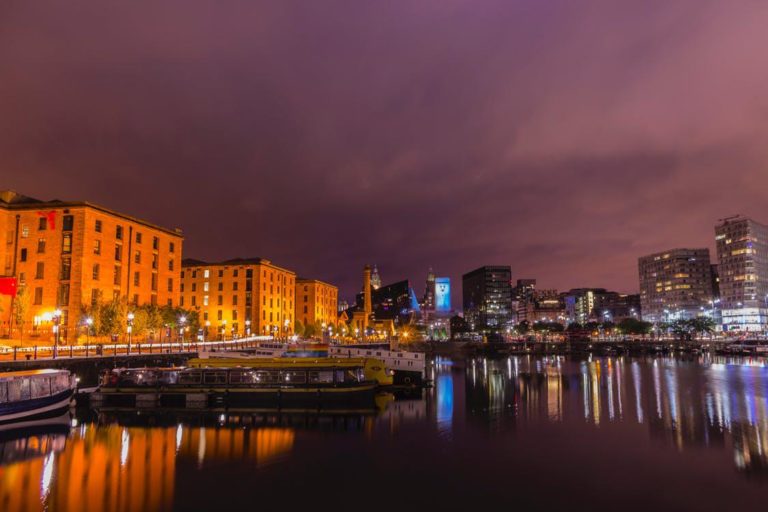
From The Beatles to Liverpool FC, the city of Liverpool has long been associated with historical greatness. Part of that history has come from its incredible architecture; with buildings like the infamous Royal Liver Building and the Royal Albert Dock — there are so many incredible signs from bygone days.
But with new developments and buildings appearing all the time, Liverpool has become an incredibly modern city — and there seems to be a drive to keep that modernisation in fast progression. This means that many old buildings — from old cinemas to bingo halls — are being refurbished, or even replaced.
Here’s how it’s happening.
A city in transformation
Like many big cities around the world, Liverpool is in the midst of a creative, cultural and financial renaissance. Reports from 2018 show that Liverpool was on course to attract over £1 billion in new developments for the 6th consecutive year. This has brought in new retail spaces, new housing as well as leisure health and educations facilities.
Between September 2017 to September 2018, over £6.6 million was invested in refurbishing Liverpool City Centre’s office stock — with another £44.6 million as ongoing projects, including the £40 million refurbishment of India Buildings for HM Revenue and Customs.
Another recent announcement came from the team behind the £5 billion Liverpool Waters development, which released images of its refreshed masterplan — which includes the city’s derelict northern docks being transformed into new quarter split into 5 neighbourhoods.
“It’s the comprehensive re-imagining of subsequent restoration of this derelict dockland which will reinstate the area back to its former glory,” says Ian Pollit, the assistant project director at Liverpool Waters. “With these new CGI’s and our updated masterplan, we are demonstrating that Liverpool Waters will truly be a waterfront to the world.”
Reinventing Liverpool’s Bingo Halls
Many of the disused spaces in Liverpool once housed historically popular forms of entertainment, like old cinemas and bingo halls. This is due in part to the changing nature of entertainment with the rise of digital technology; where many people once visited cinemas, they now stream films off of online platforms like Netflix and Amazon Prime. And the rise of the online bingo site has meant that the popularity of bingo halls has decreased.
One of Liverpool’s now derelict sites was not only both a cinema and bingo hall but also, a music hall. The Garston Empire on Chapel Road opened over a hundred years ago as a music hall, became a cinema during World War 2 and after 1961 became a bingo hall. It’s been empty since the 1990s, and a £5m plan has been created to return the building to its former glory.
Led by the owner of Garston’s Masonic pub, Tony Murray, The Friends of Garston Empire (FOGE) is the group pushing for the site’s refurbishment. Murray had been a bingo caller at the Hackney Empire in London — a grade II* listed building and former bingo hall — which in 2001 underwent a £17 million refurbishment.
“The idea just came to me in a flash one day,” says Murray. “The Empire is right in the centre of Garston and we are determined to see it turned into the resource and great focal point that it is capable of becoming.”
Another entertainment spot in Liverpool will be undergoing refurbishment. In 2018, it was announced that the former Kirkdale cinema and bingo hall would become new homes after plans were approved by Liverpool City Council’s planning committee. The Princess cinema first opened in 1931 as a cinema — with seating for 760 people in the stalls and 700 in the circle. It was converted into a big hall in 1966 but was shut in 2000. While the building was demolished in 2016, the plans for the site — a mix of townhouses, studios and one, two, three-bedroom flats — are said to celebrate the area.
Former bingo hall sites and cinemas have mixed potential for regeneration, including of course residential and office spaces as well as theatres, hotels, restaurants and bars.
The popularity of online gaming
The internet has had a wide-ranging effect on all industries, including of course, the entertainment sector — in particular, gaming. A 2018 report by the UK Gambling Commission (UKGC) revealed that online gambling now constitutes 38% of the overall market, totalling £5.6 billion Gross Gambling Yield (GGY). This makes it the largest sector, and while the GGY was dominated by online games like slots and betting, online bingo is also included in the total.
The non-remote bingo sector decreased slightly during the same period to £677.8m, with 47.6% of that around derived from machines. This has meant less need for traditional bingo halls, as more and more players access their favourite bingo games from machines and via an online bingo site.
There are many reasons why bingo players may prefer to play their favourite variation of the game online. For one, there is no opening and closing hours to adhere to — consumers can access many of the most popular bingo websites 24 hours a day, 7 days a week. And they can do so from many different gaming devices, including tablets, smartphones, iPads and iPhones; meaning that they can enjoy their favourite game from the comfort of home, or while on their commute.
And the social element is remains. Players can converse to other bingo fans through chat features and forums.
The modernisation will continue
Of course, as one of the UK’s oldest cities, Liverpool will always have strong historical associations. But the rise of online gaming, including online bingo websites, means that many of its buildings – which traditionally existed as bingo halls and cinemas – will experience refurbishment and reimagined to suit a modern entertainment industry.
From The Beatles to Liverpool FC, the city of Liverpool has long been associated with historical greatness. Part of that history has come from its incredible architecture; with buildings like the infamous Royal Liver Building and the Royal Albert Dock — there are so many incredible signs from bygone days.
But with new developments and buildings appearing all the time, Liverpool has become an incredibly modern city — and there seems to be a drive to keep that modernisation in fast progression. This means that many old buildings — from old cinemas to bingo halls — are being refurbished, or even replaced.
Here’s how it’s happening.
A city in transformation
Like many big cities around the world, Liverpool is in the midst of a creative, cultural and financial renaissance. Reports from 2018 show that Liverpool was on course to attract over £1 billion in new developments for the 6th consecutive year. This has brought in new retail spaces, new housing as well as leisure health and educations facilities.
Between September 2017 to September 2018, over £6.6 million was invested in refurbishing Liverpool City Centre’s office stock — with another £44.6 million as ongoing projects, including the £40 million refurbishment of India Buildings for HM Revenue and Customs.
Another recent announcement came from the team behind the £5 billion Liverpool Waters development, which released images of its refreshed masterplan — which includes the city’s derelict northern docks being transformed into new quarter split into 5 neighbourhoods.
“It’s the comprehensive re-imagining of subsequent restoration of this derelict dockland which will reinstate the area back to its former glory,” says Ian Pollit, the assistant project director at Liverpool Waters. “With these new CGI’s and our updated masterplan, we are demonstrating that Liverpool Waters will truly be a waterfront to the world.”
Reinventing Liverpool’s Bingo Halls
Many of the disused spaces in Liverpool once housed historically popular forms of entertainment, like old cinemas and bingo halls. This is due in part to the changing nature of entertainment with the rise of digital technology; where many people once visited cinemas, they now stream films off of online platforms like Netflix and Amazon Prime. And the rise of the online bingo site has meant that the popularity of bingo halls has decreased.
One of Liverpool’s now derelict sites was not only both a cinema and bingo hall but also, a music hall. The Garston Empire on Chapel Road opened over a hundred years ago as a music hall, became a cinema during World War 2 and after 1961 became a bingo hall. It’s been empty since the 1990s, and a £5m plan has been created to return the building to its former glory.
Led by the owner of Garston’s Masonic pub, Tony Murray, The Friends of Garston Empire (FOGE) is the group pushing for the site’s refurbishment. Murray had been a bingo caller at the Hackney Empire in London — a grade II* listed building and former bingo hall — which in 2001 underwent a £17 million refurbishment.
“The idea just came to me in a flash one day,” says Murray. “The Empire is right in the centre of Garston and we are determined to see it turned into the resource and great focal point that it is capable of becoming.”
Another entertainment spot in Liverpool will be undergoing refurbishment. In 2018, it was announced that the former Kirkdale cinema and bingo hall would become new homes after plans were approved by Liverpool City Council’s planning committee. The Princess cinema first opened in 1931 as a cinema — with seating for 760 people in the stalls and 700 in the circle. It was converted into a big hall in 1966 but was shut in 2000. While the building was demolished in 2016, the plans for the site — a mix of townhouses, studios and one, two, three-bedroom flats — are said to celebrate the area.
Former bingo hall sites and cinemas have mixed potential for regeneration, including of course residential and office spaces as well as theatres, hotels, restaurants and bars.
The popularity of online gaming
The internet has had a wide-ranging effect on all industries, including of course, the entertainment sector — in particular, gaming. A 2018 report by the UK Gambling Commission (UKGC) revealed that online gambling now constitutes 38% of the overall market, totalling £5.6 billion Gross Gambling Yield (GGY). This makes it the largest sector, and while the GGY was dominated by online games like slots and betting, online bingo is also included in the total.
The non-remote bingo sector decreased slightly during the same period to £677.8m, with 47.6% of that around derived from machines. This has meant less need for traditional bingo halls, as more and more players access their favourite bingo games from machines and via an online bingo site.
There are many reasons why bingo players may prefer to play their favourite variation of the game online. For one, there is no opening and closing hours to adhere to — consumers can access many of the most popular bingo websites 24 hours a day, 7 days a week. And they can do so from many different gaming devices, including tablets, smartphones, iPads and iPhones; meaning that they can enjoy their favourite game from the comfort of home, or while on their commute.
And the social element is remains. Players can converse to other bingo fans through chat features and forums.
The modernisation will continue
Of course, as one of the UK’s oldest cities, Liverpool will always have strong historical associations. But the rise of online gaming, including online bingo websites, means that many of its buildings – which traditionally existed as bingo halls and cinemas – will experience refurbishment and reimagined to suit a modern entertainment industry.