
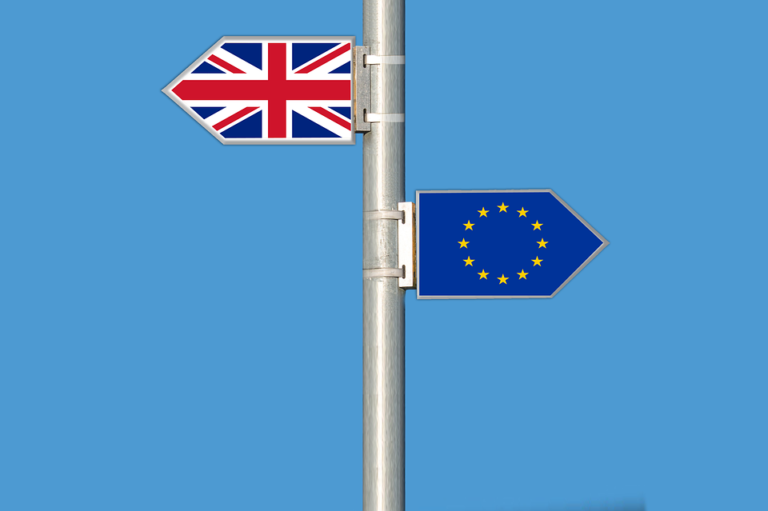
Brexit has been at the forefront of the news since the referendum results were announced back in June 2016. The current position is that Britain will exit the EU by the 31st of October 2019, whether this be via an agreed-upon deal, or a no-deal scenario. One group who are particularly wary of how Brexit will impact upon them is small business owners.
Preparation is key, as they say, and this is particularly pertinent in such uncertain times. However, the Institute of Directors conducted a survey in April which found that only 23% of almost 1000 companies had activated contingency plans for Brexit. This is probably partly due to the Government’s ever-changing rhetoric on Brexit, and a lack of clear advice to small businesses
In terms of trading, if Britain exits with no deal, it would become a ‘third country’ from a European legislative perspective, and would operate under World Trade Organisation (WTO) rules that govern import/export with the EU. Under the WTO’s “most favoured nation” rules, the UK could not simply lower tariffs for the EU, or any specific country, unless it had agreed a trade deal. This is because it has to treat every WTO member around the world with which it does not have a trade deal in the same way.
Once Brexit comes into effect, small businesses will have to pay VAT upfront on all goods imported from the EU. This means they will have to pay extra brokerage fees as well as the VAT cost alongside the cost of the actual product. These additional upfront costs may cause cash flow issues for many companies especially those with less consistent revenue and profit.
A no-deal Brexit would mean customs agencies in the EU and the UK would treat imports from, and exports to, the other party in the same way as they currently manage relations with non-EU states. Full border controls and inspections for goods traded between the UK and EU would require the collection of duties and taxes, and inspections in accordance with the agreed standards and conditions for imports. This would most likely result in delays at customs, which would impinge upon trade.
This is particularly an issue for fresh food, medical supplies, and other perishable biological items. Stewart Newlove, founding partner of the company Antibodies.com said: “There are a lot of unknowns surrounding Brexit. As a business, we ship perishable biologicals on ice and any extra delays at customs will result in the ice melting and the products being ruined. Delays at customs are already an issue and we fear that after Brexit this may become a routine occurrence”. It is no surprise then, that the government’s Yellowhammer report highlighted the risk of shortages of foods, medicine, and essential supplies in the immediate aftermath of Brexit.
Recruitment wise, small businesses will find it much harder to employ EU citizens who do not already live in the UK. This may result in skills shortages for a number of industriesparticularly for scientific and engineering roles.
Smaller businesses have the benefit of being more responsive and adaptable to change, so this could play to their advantage when adjusting to any changes that might result from Brexit.However, the flipside of this is that they have smaller contingency funds in the event of a cashflow issue.
With such uncertainty surrounding Brexit, it seems as if no one knows what exactly will be the effect on small businesses. Whatever the case, it will certainly create challenges for business owners, which they must either rapidly respond to, or risk jeopardising their business.