
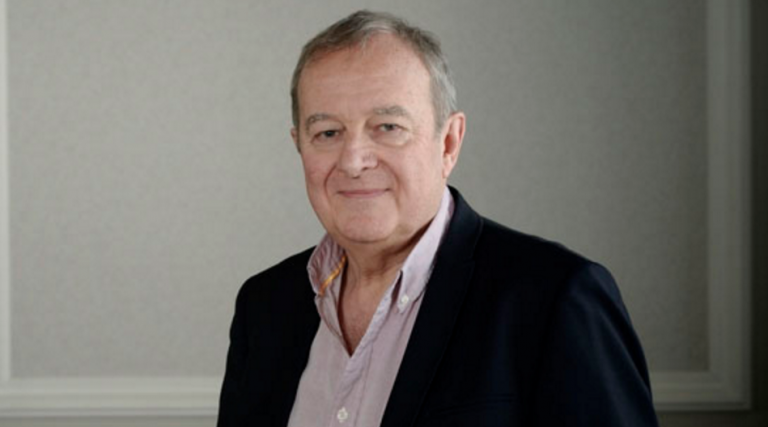
A Merseyside academic renowned for his work into the Hillsborough disaster has rejected the offer of an OBE.
Professor Phil Scraton turned down a place in the Queen’s New Year Honours list due to successive governments failing to fully investigate the 1989 tragedy.
His research into the cover-up of the tragedy which cost the lives of 96 Liverpool fans in Sheffield saw him form part of the Hillsborough Independent Panel.
The panel’s 2012 findings exonerated both the victims and survivors of any wrongdoing during the fateful FA Cup semi-final game on April 15, 1989.
Prof Scraton’s work in the search for truth behind Hillsborough has also been credited with the unlawful killing verdict delivered by an inquest in April this year.
But he has refused the offer of an OBE on the grounds of the collective refusal of previous governments to independently review the disaster in the past 27 years.
“I researched Hillsborough from 1989, publishing reports, articles and the first edition of Hillsborough: The Truth in 1990,” he explained.
“Until 2009, and despite compelling evidence, successive governments declined to pursue a thorough, independent review of the context, consequences and aftermath of the disaster.
“This changed as a direct result of the families’ and survivors’ brave, persistent campaign. It led to the Hillsborough Independent Panel, its ground-breaking findings, new inquests and their crucially significant verdicts.
“I headed the Panel’s research team and was a consultant to the families’ lawyers throughout the new inquests.
“I could not receive an honour on the recommendation of those who remained unresponsive to the determined efforts of bereaved families and survivors to secure truth and justice.
“In recognition of my work on Hillsborough I have received the Freedom of the City of Liverpool, the Political Studies Association’s Campaigner of the Year Award (alongside Margaret Aspinall, Chair of the HFSG) and an Honorary Doctorate in Laws from the University of Liverpool.
“I received these awards from my peers with gratitude and humility. Finally, I could not accept an honour tied in name to the ‘British Empire’.
“In my scholarship and teaching I remain a strong critic of the historical, cultural and political contexts of imperialism and their international legacy.”