
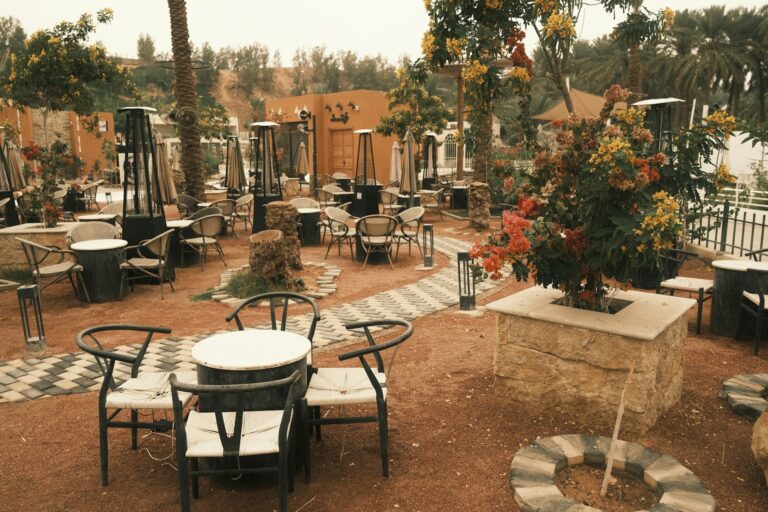
Outdoor dining can provide hospitality venues with valuable covers throughout the year, provided customers remain comfortable and operating costs stay under control. A successful terrace needs more than extra tables and a few blankets for a wonderful meal. Its layout, shelter, heating and booking process should work together, especially during colder or changeable weather. The following practical measures can help cafés, restaurants and hotels turn outdoor areas into dependable trading spaces without wasting energy.
Rethinking Patio Revenue Potential
Start by treating the patio as a distinct service area with its own capacity, staffing needs and sales targets. Track its average spend per head, table turnover and weather-related cancellations each week. These figures will show when the space earns its keep and when opening it adds unnecessary labour costs.
Simple touches can improve performance. Offer online booking for outdoor tables, use clear photographs so guests know what to expect and create a smaller terrace menu during quieter periods. Practical winter patio ideas include seasonal food, lighting and sheltered seating. A 20-seat patio that fills for one extra sitting can make a meaningful difference on busy evenings, particularly when the indoor dining room has reached capacity.
Thermal Comfort Essentials for Diners
Measure conditions at table height before buying equipment or changing the layout. Wind chill, damp surfaces and draughts often affect diners more than the air temperature shown on a wall thermometer. Screens, planters and awnings can reduce exposure, but entrances and exit routes must remain clear.
Divide a large terrace into smaller comfort zones. A couple dining near an external wall may need less heat than a group seated beside an open edge. Seat guests in the most protected area first, then open further zones as bookings increase.
Small operational details matter too. Dry cushions should be stored indoors overnight, tables need enough spacing for staff to move safely and customers should receive an honest description of the setting when booking.
Efficient Commercial Heaters in Action
Choose equipment according to the area that people actually occupy. Infrared systems direct warmth towards diners and surfaces, making them suitable for targeted zones where heating all the surrounding air would be inefficient. For commercial and industrial facility managers comparing indoor or outdoor options, Commercial Heaters can provide a useful starting point for reviewing high-efficiency infrared solutions.
Check the manufacturer’s coverage guidance, mounting height and electrical requirements before installation. One correctly positioned unit may serve a row of tables more effectively than several poorly placed models. Ask a qualified professional to assess supply capacity and fitting points, then train staff to operate each zone separately. Guests should feel comfortably warm without sitting directly beneath excessive heat or encountering trailing cables and obstructed walkways.
Lowering Seasonal Energy Waste
Link heating decisions to bookings, occupied zones and current weather. Switching on the whole terrace before the first guest arrives can consume energy for empty tables. Instead, set a short preheating period and activate only the section being used. Timers, occupancy controls and clearly labelled switches make this easier during a busy service.
Review energy use alongside patio revenue every month. Broader guidance on profitable outdoor dining also highlights the value of careful layout and flexible use of space. Clean heater surfaces, inspect controls and repair damaged screens promptly, as neglected equipment and shelter can reduce comfort.
When spring arrives, keep zone controls in place. Cool evenings still call for targeted warmth, while mild nights may need no heating at all.
A dependable outdoor area should be ready when bookings justify opening it, not kept running out of habit. Give the duty manager a simple checklist covering weather, reservations, zones and switch-off times. That final check after service protects the day’s margin and leaves the patio prepared for the next sitting.