
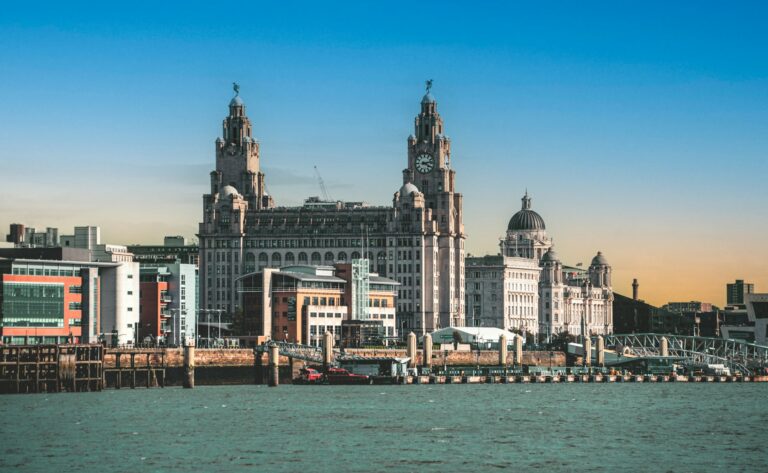
Click Liverpool has covered this city’s constant reinvention since 2008, the year it became European Capital of Culture, and 2026 has given readers two very different lessons in how that reinvention actually happens. At King Edward Triangle, on the edge of the city centre, Liverpool Council’s planning committee signed off a 28 storey tower in February, the first of more than 1,000 apartments planned across the wider 1 billion pound scheme from Davos Property Developments and the TJ Morris owned KEIE. The site, a former industrial estate bought jointly by Beetham and KEIE, covers seven acres and sits at the junction of Waterloo Road and Galton Street. Compare that with the 100m pound Baltic station, a new Merseyrail stop meant to serve the Baltic Triangle and Toxteth, which was supposed to break ground this year. By July, mayor Steve Rotheram was telling BBC Radio Merseyside the delay was “the bane of my life,” with a contractor still not appointed. One project moved from approval to construction in months. The other is still waiting.
That gap between a launch announcement and the real thing being ready is worth remembering whenever something new turns up promising the city’s best deal, best view or best welcome offer, and it applies just as well outside Liverpool as inside it. Launch a new online casino UK players have never heard of, and it sits in exactly that position: easy to announce, harder to prove. The sensible move before trusting any of them is the same one locals apply to a building site on Edge Lane, check what has actually been delivered, not just what has been promised.
The Littlewoods building on that same Edge Lane is a case in point. The old department store headquarters is being converted into a 70m pound film and TV production complex, with two new 20,000 square foot studio stages planned alongside the existing Depot facility next door. Council leader Liam Robinson said in May the scheme was in “a better place than it’s been for a very long time” after talks with government over funding, though exactly how it gets paid for is still being worked out. Add in Cains Brewery Village’s BOXPARK, now a fixture of the Baltic Triangle’s food and events scene since it opened there in 2024, and the pattern holds: Liverpool keeps announcing the next big thing well before the last one is finished.
New casino operators are under more scrutiny at launch than they used to be, too. From 19 January 2026, the Gambling Commission’s updated Licence Conditions and Codes of Practice bans operators from mixing more than one type of gambling product inside a single promotional incentive, closing a loophole that let bonus terms blur across betting, casino, bingo and lottery products at once. It is a narrower change than it might sound, but it is a real one, and it is the kind of detail worth checking before trusting any new operator’s welcome offer.
For anyone doing that checking, the practical steps are the same ones Click Liverpool readers already apply to a new bar opening on Bold Street or a new stall at Baltic Market: look past the opening week noise, check who is actually behind it, and read the terms properly rather than the headline figure. The Gambling Commission’s public register confirms whether an operator is licensed to run in Great Britain at all, which is step one before anything else gets a look in, and it takes less time than reading the small print on a welcome bonus.
It is the same scepticism Liverpool has learned to apply to its own regeneration announcements. A 28 storey tower getting planning approval is progress. A station still waiting on a contractor eight months after it was meant to start is a reminder that a launch and a finished thing are two different events, whether the subject is a new Merseyrail stop or a new operator promising the best offer in the market. Our earlier coverage of the Baltic station’s delays set out why this city treats big announcements with a raised eyebrow these days, and the same instinct holds up well beyond the building sites