
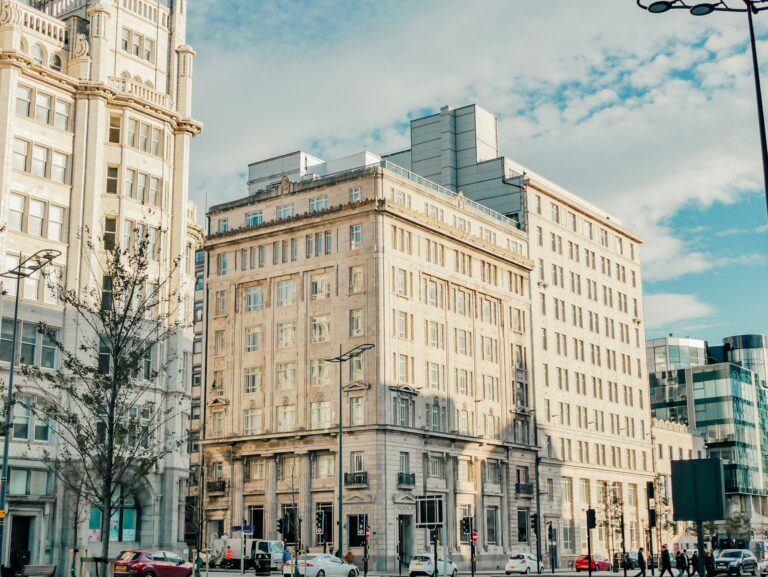
Over 43% of homes in Liverpool City Region are now over 85 years old, with these older properties found in areas like Anfield, Everton, Walton, Wavertree and Toxteth. These homes are usually Victorian, Edwardian or from the 1920s/30s, and can understandably be more vulnerable to winter weather. Repairs to gutters, pipes and walls, in particular, can get expensive if problems are allowed to develop during the colder months. For example, brickwork damaged by water that gets into cracks can set you back an average of £1,364 to repair. So keep your gutters clear and prevent both frozen pipes and damp, and you’ll help avoid winter damage and costly repairs in your Liverpool home.
Keep your gutters clear
It’s normal for gutters to get blocked with leaves over the autumn and winter, and particularly so for properties around Sefton Park, Aigburth or Mossley Hill. But it can cause expensive problems if you don’t prevent this. Rainwater will overflow if it can’t drain properly and potentially then damage the walls and cause penetrating damp and mould. It can cost hundreds of pounds to repair damaged brickwork in Liverpool, and repointing alone costs about £648 on average. The best time to clean your gutters and prevent these problems is in late October to early November as this is just after when much of the leaves have already fallen and before the worst of the winter weather arrives. Look for potential blockages from the ground first. Visible leaves or weeds, sagging, overflowing parts or cracks in the gutters are all signs. Then you can remove debris by hand with gloves but always hire a professional if you’re not confident up a ladder. Also check your downpipes as they can get blocked too. Run water through them to check that it drains away properly and doesn’t overflow.
Prevent frozen pipes and costly water damage
Pipes in older homes around Liverpool can freeze easily as they’re often not insulated. The pipes can then later burst, which costs around £200 on average to repair. That’s before the cost of repairing any water damage also caused. The average insurance claim for weather-related pipe damage is almost £33,000, according to the Association of British Insurers.
To prevent this, insulate your exposed pipes before winter. You’ll likely find them in unheated areas around your home like in lofts, garages, cupboards and under sinks. Foam pipe insulation is cheap and easy to fit yourself. Also find out where your stopcock is as you can use it to turn off the water if the pipe does burst. It’s normally near the front door or under the kitchen sink in Liverpool’s older homes. Check that it works before winter. It’s so important to look after your pipes as it gets colder, but almost 80% of homeowners say they don’t know how to prevent them bursting, the Express reports. So it’s worth getting a plumber to check if you’re not sure if your pipes are properly protected. The average cost of a local plumber in Liverpool is £46 per hour and this can be a worthwhile investment that helps you avoid a bigger bill later.
Don’t let winter damp become an expensive problem
Damp can become a bigger problem during the winter months and this is especially the case for older Liverpool homes where moisture can get in through cracks and damaged pointing. Also strong coastal winds can blow wind against the exterior walls which means more water can potentially get in. If left untreated, damp can eventually damage plaster, brickwork and timber and it can cost around £2,250 to fix this. You can properly vent your home in the autumn and winter to help prevent damp. So use extractor fans when you cook or shower and open windows when you can. It’s also important to keep rooms warm as condensation is more likely to form on cold surfaces. Also check for cold spots around windows and external walls. Insulation boards can help keep warmth in and reduce condensation so damp stays out.
Taking care of your Liverpool home now could help you save money this winter. Clear gutters, healthy pipes, and damp prevention can all help your home in good condition through the colder months.