
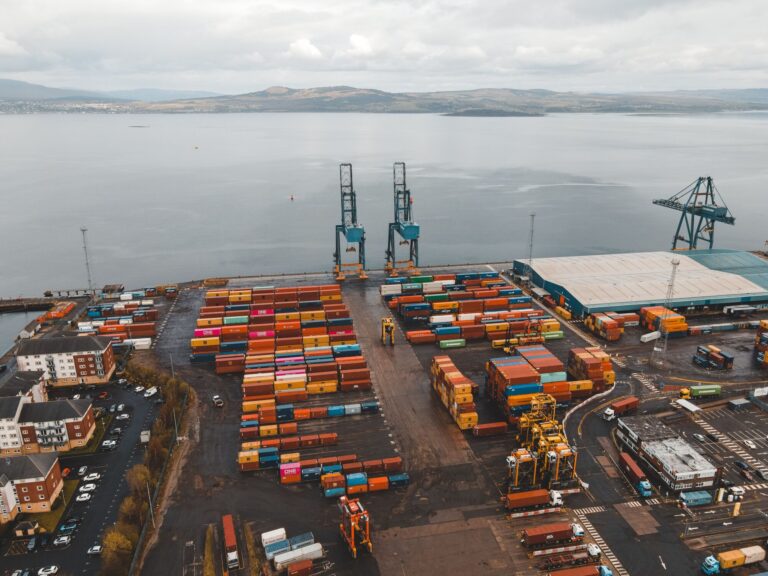
Containers can reach Liverpool, Felixstowe, and Southampton on schedule. They can then lose days near the terminal gate.
For importers and exporters, the sea leg is scheduled. The clearance leg is not, and that is where time is usually lost.
What Efficient Customs Clearance Actually Means
Efficient customs clearance means securing release when goods become physically available, rather than leaving them in the stack awaiting paperwork.
An accurate customs declaration lodged before arrival produces that outcome. HMRC requires a full import declaration to include the correct commodity code, customs procedure code, and consignment details, supported by an EORI number.
The HS code from the Harmonised System must agree with the product description and commercial invoice. When information conflicts or arrives late, the Customs Declaration Service (CDS) cannot produce the intended release.
Most lost time begins before the vessel berths, not while HMRC processes a correct entry. Accuracy at the declaration stage adds no terminal time, whereas corrections after arrival allow storage charges and disruption to accumulate.
Clearance at the Quayside in Liverpool and Beyond
For a container arriving in Liverpool, the declaration will normally be pre-lodged while the vessel is still at sea. The ideal outcome is a green route, with release granted as the box moves from quay to stack.
In that case, customs adds no time to the physical journey. The terminal discharges the container, places it in the designated stack, and makes it available for the booked haulier to collect.
A documentary check changes that sequence. HMRC or Border Force queries the paperwork, and the container remains in the terminal while the importer or agent supplies an explanation, corrected document, or additional evidence.
Straightforward queries often clear within several hours or one working day when the response arrives immediately. However, the wait becomes longer when information must come from an overseas supplier or several documents contradict one another.
A physical inspection takes longer because the container must move to an examination facility. Release then depends on an available inspection slot, the examination itself, and transport back from the inspection point, so delays are measured in days.
Triggers include mismatched commodity codes, a valuation that appears low for the goods described, and restricted or licensable products. Food and plant consignments can also require port health controls, while new importers lack an established compliance history.
The same process applies at Felixstowe and Southampton, although terminal arrangements and examination capacity differ. No single holding period applies because documentary checks, physical inspections, and missing licences create different timelines.
Customs release is only half the quayside job. If release arrives after the booked haulage slot has passed, the goods might be in free circulation yet remain in the stack until another collection can be arranged.
Who Files the Declaration, and What It Costs
A business can file its own declarations or appoint a customs broker or freight forwarder. The real decision rests on classification capability, software access, and dependable staff cover, rather than the declaration fee alone.
Handling Declarations in House
Self-clearance requires an EORI number, compatible declaration software connected to the Customs Declaration Service (CDS), and an employee who owns commodity code decisions. That person must also maintain the product data behind each entry.
The model works best with repeat consignments and a stable product range. It breaks down when classifications vary, shipments arrive irregularly, or supporting documents reach the business shortly before a vessel berths.
Staff cover matters as much as technical knowledge. If only one employee understands the codes, an absence can stop the declaration process just as a consignment becomes available at the port.
Submitting entries internally also keeps amendment work inside the business. Incorrect values, procedure codes, or product descriptions must be resolved without the daily operational experience that an agent gains from handling port queries.
Using a Broker or Freight Forwarder
A customs broker concentrates on declarations and cross-border trade compliance, while a freight forwarder can combine clearance with transport coordination. Both arrangements provide established processes for responding when HMRC or a terminal raises a query.
An outsourced arrangement transfers the filing workload to the appointed agent. In practice, customs clearance services typically include declaration submission, duty calculation, and liaison with HMRC and the terminal throughout the release process.
Daily exposure to documentary checks and physical inspections also shortens response time. The agent knows which party holds the missing information and can address the query before a missed collection slot creates another delay.
Charges usually include a declaration fee per entry, with additional fees for multiple commodity lines, amendments, or work outside the standard arrangement. Import duties and taxes remain separate and usually outweigh the administration charge.
However, outsourcing paperwork does not transfer responsibility for the underlying data. The importer of record remains answerable to HMRC, so the agent still needs accurate classifications, values, origin evidence, and commercial documents from the business.
Why Planning Before the Goods Sail Pays for Itself
Once a container is held, several cost clocks can start. Demurrage applies after terminal free time expires, detention covers extended use of the container away from the port, and quay storage can accrue per container per day.
The larger loss often sits elsewhere. A delayed release can waste a haulage booking, break a promised delivery date, interrupt stock availability, and leave working capital tied up in goods behind the terminal fence.
These clearance delays are easier to prevent before an order ships. Product classifications should be checked against the UK Trade Tariff tool before purchase documents, freight instructions, and supplier invoices lock in conflicting descriptions.
The EORI number and CDS arrangements also need to be active before the declaration window opens. For regular traders, a duty deferment account prevents immediate payment administration from holding release after every arrival.
Postponed VAT Accounting (PVA) addresses a different cash-flow pressure. It moves import VAT accounting to the VAT return instead of requiring payment at the point of import, subject to the importer using the arrangement correctly.
Rules of origin require equally early attention. Preferential treatment under an EU free trade agreement depends on qualifying origin and supporting evidence, not the country where the supplier loaded the goods or issued the invoice.
A supplier’s assumption is not enough for a preference claim. The importer needs evidence that supports how the goods obtained their origin, particularly where materials or manufacturing stages involve more than one country.
Planning should also reflect the intended destination of the stock. Goods entering through Liverpool, Felixstowe, or Southampton do not always need immediate release into the domestic market if onward demand remains uncertain.
A bonded warehouse can defer the duty point while eligible goods remain under customs control. That avoids paying duty at the border before the business knows whether the goods will enter the UK market or move elsewhere.
Keeping Goods Moving Through UK Ports
The work that determines clearance speed happens before the vessel reaches the quayside. Correct classifications, consistent documents, suitable payment arrangements, and clear ownership allow release to match the moment the terminal makes the goods available.
Treating the customs clearance process as a scheduled supply-chain stage keeps declarations, haulage, and terminal release aligned. When it is left as an end-of-journey formality, even a short paperwork delay can become a missed slot and another day in port.